
Open Banking User Experience: Benefits and Challenges
See how open banking changes customer experience via APIs, data control, and safety.

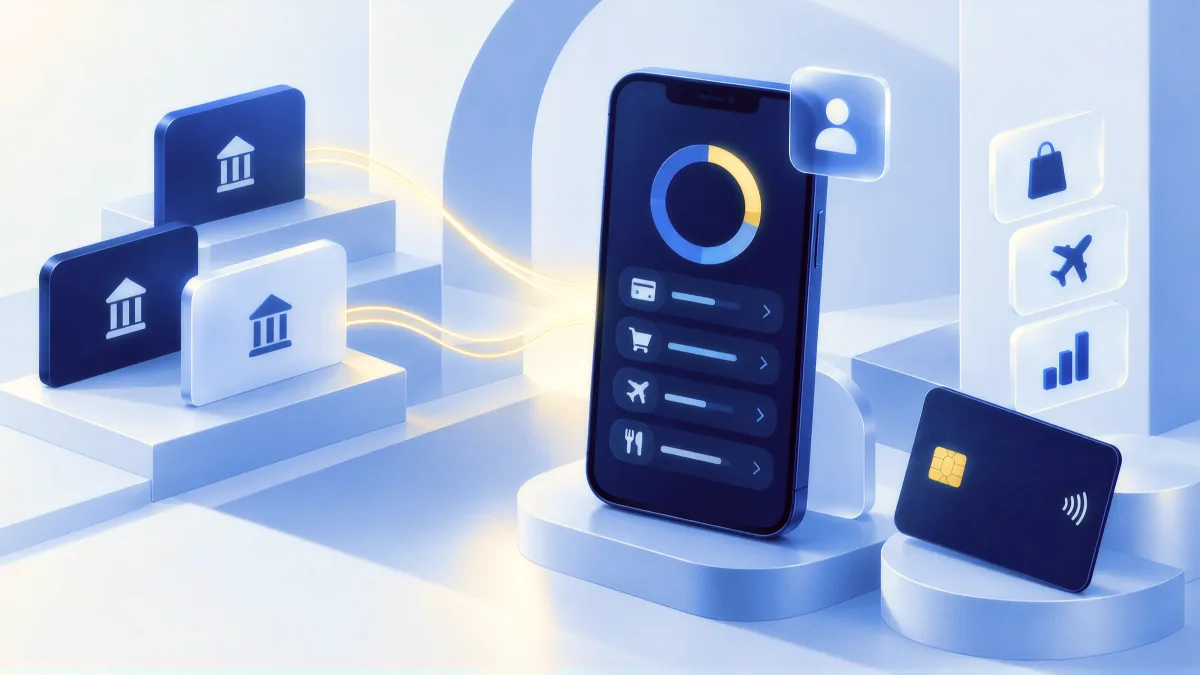
What open banking is and why user experience matters
Open banking lets approved apps access bank data through open banking APIs. The goal is better services for people. The open banking user experience is how that feels end to end.
When it works well, setup is fast. People can connect once and get useful views after. They also keep consumer data control over what gets shared.
In Europe, PSD2 helped speed up open banking. Many banks moved to new ways of sharing data with partners. That made the market more open for new apps.
Open banking also boosts financial service innovation. It pushes banks to compete on quality, not just on access. It helps third parties build features customers can actually use.
- For people: more control and more tools.
- For banks: a new way to win on experience.
- For partners: a faster path to build apps.

How open banking works in practice
Most journeys start with a user choosing an app. Then the app asks to see certain data. The bank checks the user and asks for a yes or no.
This is permissioned financial data sharing. Users grant access for specific scopes, like balances or recent moves. Then the app pulls data through the API connection.
If the link breaks, good design helps users fix it fast. Clear steps reduce confusion and support fewer failed attempts. This is where open banking user experience often makes or breaks trust.
In the best flows, the user sees what changes after approval. They also see how to stop access later. That makes the service feel fair.
- Choose: user picks their bank inside the app.
- Sign in: the bank verifies the user safely.
- Consent: user approves the data scope.
- Fetch: the app reads data via open banking APIs.
- Use: the app updates views and adds insights.
- Manage: user can review access and revoke it.

Benefits of open banking for customers and businesses
Open banking benefits show up in daily tasks. People spend less time copying statements. They can also see more than one account in one place.
Better customer experiences often come from fewer steps. Once data is connected, apps can refresh it in near real time. That supports easier account management.
Open banking can also improve transparency. Users can see what data an app asks for. They can then decide with more confidence.
Competition can drive lower fees too. When more providers can offer the same core access, pricing pressure grows. Banks then focus on features that customers value.
| Benefit | User impact | Business impact |
|---|---|---|
| Better experience | Fast setup and clear steps | Higher sign up rates |
| More control | Consent you can review | More trust and fewer drops |
| More insight | Cleaner views of money | Better retention over time |
| More choice | New apps and tools | Stronger fintech collaboration |
Challenges of open banking: what can go wrong
One big challenge is data privacy concerns. Users want clear reasons for data access. They also want to know how long it stays in use.
Security risks also rise with more links in the chain. Each link adds a new place an attacker may target. That includes account sign in and the API exchange.
Regulatory complexity can slow delivery too. Banks must meet rules for consent and secure data use. Third parties also need to follow the same standards.
Data interoperability can be messy. Transaction data may not match across banks. A user may see wrong categories or missing items.
These gaps can harm trust fast. A broken link or confusing data view feels like a failed promise. That is why UX and safety must go together.
- Privacy: unclear consent reduces trust.
- Security: more integrations need stronger locks.
- Rules: complex steps slow down rollout.
- Data fit: mismatched formats break insights.
The role of APIs in open banking APIs and user experience
Open banking APIs make secure data sharing possible. They let banks and apps talk in a shared way. This helps apps pull the same data types with less guesswork.
From the user side, API quality shapes speed. If the API responds slowly, the connect step feels broken. If errors are vague, users get stuck with no next move.
Good APIs also help teams handle edge cases. For example, a bank link may need re approval. A clear error can guide the app to ask the user to retry.
Security controls also live in this layer. APIs use sign in and approval checks. They also enforce the approved data scope only.
What to check in an open banking API build
Teams should test with more than one bank provider. They should also test with real user journeys. Then they can tune how the app reacts to failures.
- Scope: the API should match the user’s approval.
- Data shape: fields should be stable over time.
- Error cues: messages should tell what to do next.
- Speed: low wait time improves perceived quality.
Future trends in open banking user experience
One trend is smoother consent. People want short, plain explanations. They also want clear limits on what gets shared.
Another trend is more reliable linking. Apps will aim to recover when a bank link fails. That can cut support calls and lower drop offs.
Personalization will grow as data interoperability improves. Apps can then match pay days, bills, and spending patterns. This can lead to more useful alerts.
Security UX will also get smarter. Users may see access history in plain views. They will also manage permissions with fewer steps.
Fintech collaboration will likely rise as banks mature their dev tools. When open banking APIs stay stable, partners can ship new features faster. That supports more financial service innovation.
Three UX upgrades to watch
- Plain consent: examples that make scopes easy to grasp.
- Fix on error: clear retry paths when links fail.
- Better insights: more value with less extra work.
Conclusion: the impact of open banking on financial user experience
Open banking changes banking by enabling data access with approval. It relies on open banking APIs for the secure link. That can boost both control and convenience for users.
The benefits of open banking grow when UX is clear. Consent should be easy to read. Data updates should be stable and correct.
The challenges of open banking also shape results. Privacy and safety must be strong at every step. Data mismatches can still hurt trust if not handled well.
When banks and partners focus on user experience, outcomes improve. People get easier account management and safer access. That is the real promise behind open banking.
Frequently asked questions
- How does open banking improve user experience in banking apps?
- It lets approved apps read your bank data after you authorize access. With good UX, this enables faster setup, fresh insights, and less manual input.
- What is the difference between data access and an open banking user experience?
- Data access is the tech link that brings data in. The user experience is how that data is shown, refreshed, and used in the app.
- What role do APIs play in open banking benefits?
- APIs (Application Programming Interfaces) are how apps request data securely. In UX, they help keep views updated and reduce extra user steps.
- What challenges of open banking most affect UX?
- Integration differences, slow or missing refreshes, and expiring consent can all hurt the flow. These lead to gaps, failed connects, and more re-approval steps.
- How does open banking enable account aggregation for users?
- You authorize access for accounts at different banks. Then the app merges balances and activity into one dashboard for you to use.
- How can fintech teams design better consent screens for open banking?
- Tie each permission to a clear outcome users care about. Keep the wording plain, show connection status, and explain how to re-approve access quickly.
Related reading

Best B2B Payment Platforms: Features, Types, and Selection Guide
Compare b2b payment platforms, methods, features, and best practices for smoother payments.
What Is Open Banking? How It Works, Benefits, and Challenges
Open banking shares banking data via APIs to drive better choices and innovation.
What Is Cybersource? Services, Security, and Visa Link
Understand what Cybersource is, how it works, and why it matters for secure payments.