
Best B2B Payment Platforms: Features, Types, and Selection Guide
Compare b2b payment platforms, methods, features, and best practices for smoother payments.


What are B2B payment platforms?
B2B payment platforms help businesses send and get money for invoices and contracts. They link your work to the payment rails that move funds. Many also cut manual steps in day-to-day payments.
When teams talk about b2b payment platforms, they mean the full payment flow. That flow includes pay, get paid, and match each payment to a bill. It also includes follow-ups when a payment goes wrong.
Most b2b payment solutions also add control features. You may need approvals, role checks, and a clear audit trail. These tools matter because b2b payments often involve bigger sums.
Automation helps keep things on track. It also helps your teams spot errors faster. That can protect cash flow and reduce rework.
How B2B payments differ from B2C
B2B payments are deals between companies. These deals often use larger sums than B2C payments. That increases the cost of mistakes and slows down fixes.
Approvals in b2b are more complex. A payment can need sign-off based on a contract. It can also need checks for rules and limits.
Remittance details matter more in B2B. “Remittance” means the info that tells who and what this payment is for. If remittance is off, accounts payable and accounts receivable drift.
Teams also manage money timing as a system. That is cash flow management in practice. When settlement delays happen, working plans can break.
FactorB2B paymentsB2C paymentsTypical amountOften larger per sendSmaller and more commonApproval flowMulti-step and rule-basedOften simplerBill matchingInvoice link is keyLess strict link needsControl needsMore audit and risk checksMore focus on user safety
B2B vs B2C payments
Types of B2B payment methods
B2B payment processing often uses several methods. Each method fits a different vendor and contract need. Good b2b payment systems can handle this mix.
Common methods include ACH, wire transfers, checks, credit cards, and payment gateways. ACH is an electronic bank transfer. It is often used for steady batches.
Wire transfers move money fast. They can be best for high-value or urgent needs. The fee can be higher than ACH, so teams choose wisely.
Checks still show up in B2B. For many firms, checks can make up about 30–35% of B2B sends. This is common where vendors run older systems.
Credit cards and gateways help in other cases. They can be useful when a vendor prefers them. They also support strong payment security steps.
Method choice also affects approvals. Fast rails can reduce cycle time. Yet controls must still fit the speed.

Payment method types
Top B2B payment processing solutions
Top b2b payment processing solutions do more than move funds. They manage the whole job from start to close. That includes checks, approvals, status, and match back to bills.
Some tools focus on the pay side. That means accounts payable workflows. Others focus on the get-paid side through invoice steps and pay links.
Many b2b payment processing companies sell both sides now. This helps keep remittance steps consistent. It can also make it easier to run one rule set.
Here are examples of known b2b payment providers and what they often do well. Your needs decide fit, not hype.
During demos, ask about how it plugs in. Integration reduces re-keying and lost context. It also lowers match errors in your ledgers.
Use this map to score each option. It keeps your search tied to real work.
QuestionWhy it mattersWhat “good” meansHow does it link to ERP?It cuts copy workClear sync of pay status and bill refsWhat approval steps exist?It supports rulesRole checks and full log of actionsHow are errors handled?It stops stuck paysAuto retries plus clear next stepsHow does remittance match?It keeps AR and AP cleanInvoice-level link or smart matchWhat security is built in?It limits fraud riskToken use, guard rails, and tight access
Secure payment processing
Best practices for B2B payments
Start with your process, not the tool. Map each step from bill setup to bank send. Then find where delays happen.
Common delay points include slow sign-off, missing bill ids, and bank change risks. Fixing those beats training people to work around errors. It also improves cash flow predictability.
Integration is a must. If you move data by hand, you invite wrong data. With ERP link, payments update in the right place.
Set approval rules that match the org. Approval roles should follow your spend limits and job lines. That makes control work easier to audit.
Plan for a mixed method world. Many firms still use checks for part of the vendor base. Route digital pays first to vendors that can take them.
Require bill refs for each pay request
Automate approvals with clear limits and paths
Link to ERP to cut manual entry
Track send-to-settle time and watch gaps
Use strong access rules for pay actions
Keep speed tied to accuracy. Faster sends mean little if match fails. Aim for quick and correct payment close.
Future trends in B2B payment platforms
Digital payments will keep growing. Checks remain, but they are hard to run at scale. Firms want more view and less paper work.
Payment automation will spread faster. It helps cut repeats and reduce staff time on fixes. It also helps teams find gaps before cash is hit.
ERP link will get deeper too. More platforms will push better pay status signals. That helps quicker match and cleaner books.
Risk controls will also improve. Expect more checks for bank change fraud. Expect stronger payment security in both rails and apps.
More “network” features may arrive. These can include vendor onboarding and invoice pay links. When buyer and seller flows connect, payments get simpler.
Conclusion: choosing the right platform
The best b2b payment platforms fit your work, your rules, and your mix. Pick the tool that helps your team close payments end to end. That usually means less manual work and fewer match errors.
Then compare strengths across b2b payment processing companies. Some lead on invoice and get-paid flows. Others lead on pay workflows and control strength.
If you focus on workflow automation and clean match, you will pick better. You also improve accounts payable and accounts receivable results. That is the core goal of modern b2b payment systems.
Frequently asked questions
- What are B2B payment platforms used for?
- They help businesses send and get money tied to invoices and contracts. They also streamline approvals, remittance, and match back to bills.
- How do B2B payments differ from B2C payments?
- B2B payments often involve larger sums and more approval steps. They also need invoice-level mapping for clean AR and AP.
- What types of B2B payment methods are most common?
- Common methods include ACH, wire transfers, checks, credit cards, and payment gateways. The right mix depends on vendor setup and settle needs.
- What should I look for in b2b payment processing solutions?
- Look for workflow automation, remittance match, and ERP link. Also check access control and an audit log for each pay step.
- Do B2B companies still use checks?
- Yes. Checks can still be about 30–35% of B2B transactions in many settings. This often happens with older vendor payment habits.
- Which b2b payment providers are considered leading options?
- HighRadius, Billtrust, and Stripe are common examples. The best pick depends on whether you focus on invoicing, pay control, or both.
Related reading
Open Banking User Experience: Benefits and Challenges
See how open banking changes customer experience via APIs, data control, and safety.
What Is Open Banking? How It Works, Benefits, and Challenges
Open banking shares banking data via APIs to drive better choices and innovation.
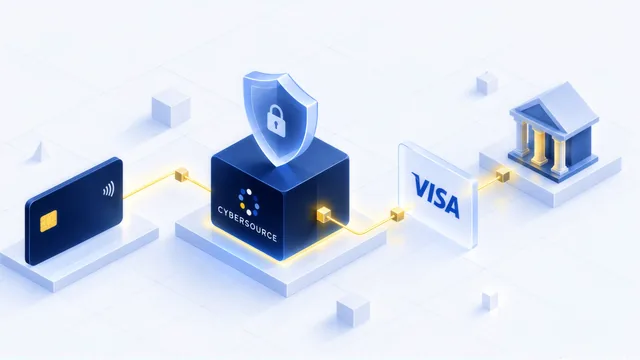
What Is Cybersource? Services, Security, and Visa Link
Understand what Cybersource is, how it works, and why it matters for secure payments.