
What Are Open Banking APIs and How Do They Work?
See how bank APIs share data, support payments, and give customers control.

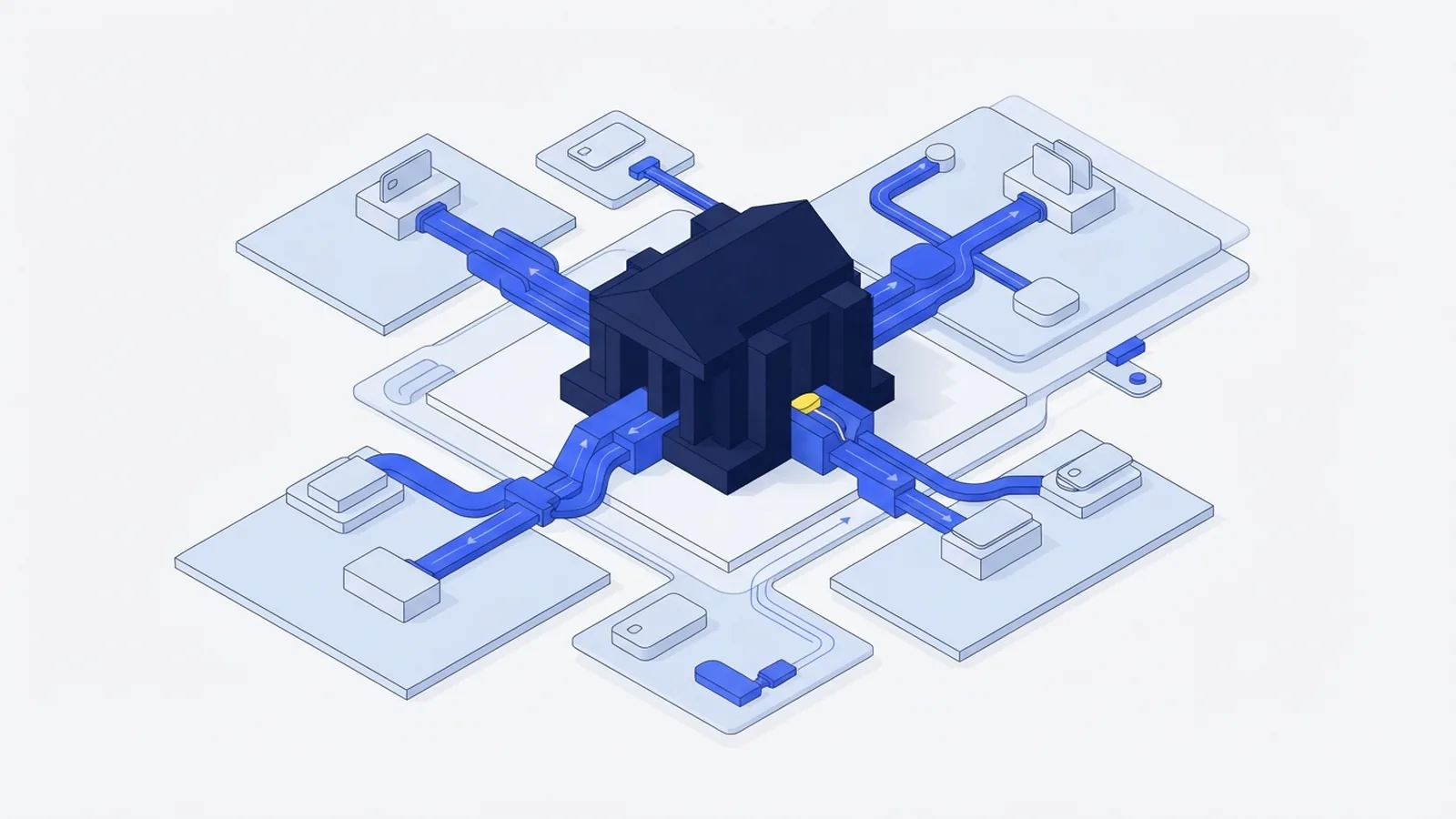
Introduction to open APIs in banking
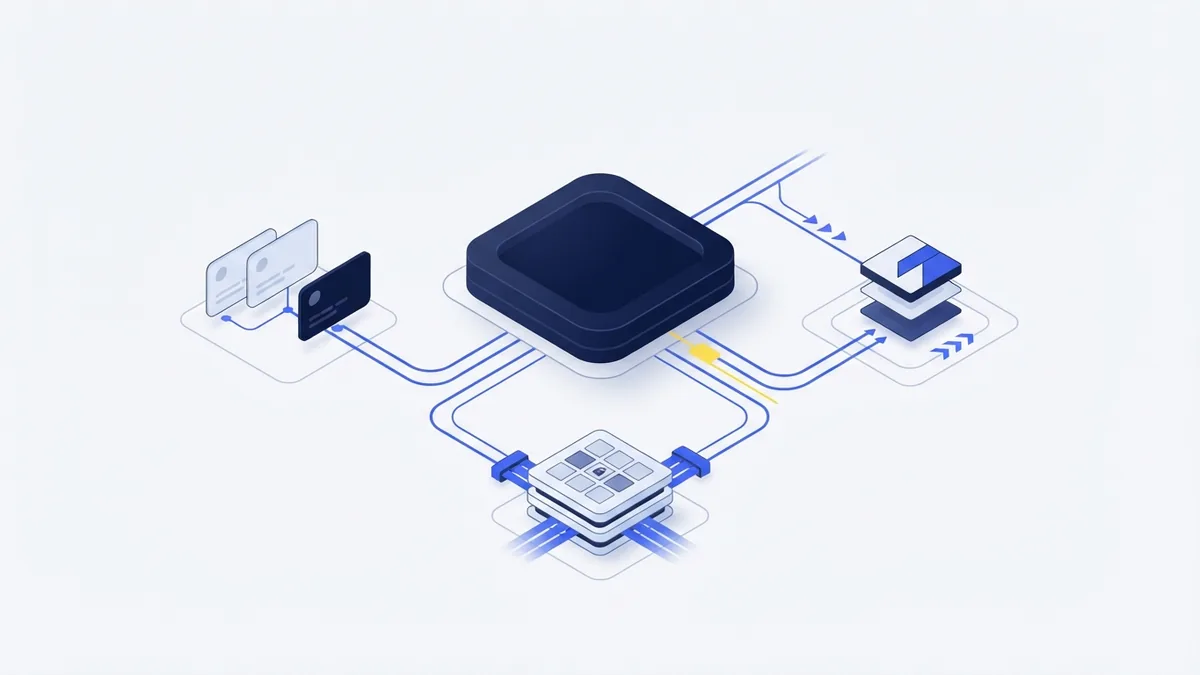
Open APIs in banking let approved services connect to bank accounts and payment tools. An API, or application programming interface, sets rules for software requests and replies. A budgeting app might use one to show account balances with the customer’s permission.
So, what are banking APIs? They are links that let software ask a bank for specific services or data. Open APIs add rules for approved access, customer consent, and safe data exchange. They do not let the public browse bank accounts.
The phrase “APIs and open banking” describes two parts of one system. Open banking sets the rules for sharing financial data. APIs carry out the approved requests. This link between open banking and APIs can help banks and financial technology firms build services together.
There are several types of banking APIs. Some share account data, while others support payments or confirm account details. Which type a service uses depends on its purpose and the customer’s permission.
- Account APIs can share balances and transaction records.
- Payment APIs can start a payment from an account.
- Other APIs can check account details or support bank services.
That is the basic answer to “what is open banking APIs?” The phrase usually means the software links used to deliver open banking services. Access is limited by consent, bank rules, and local law.
What open banking means
Open banking lets people share certain account data with approved providers. In some cases, they can also allow a provider to start a payment. The customer chooses a service and agrees to a set purpose and scope.
Rules vary by country. In the United Kingdom, open banking grew from competition rules and payment laws. The UK Open Banking overview describes its standards and services. In the European Union, PSD2 sets rules for payment services and approved providers.
Consent matters at each step. A provider should state what it wants and why. An app that sorts spending may need transaction data, but not the right to send payments. Customers should be able to review or end access, though the steps vary.
Rules also shape how banks check providers and handle data. The EU’s PSD2 directive sets a legal framework for payment services. Local rules can set further duties for banks and providers. Check the rules that apply where you live.
Open banking is not the same as unrestricted data sharing. Each request should fit an approved service and the user’s choice. Banks and providers must follow the relevant rules.
Benefits of open banking APIs
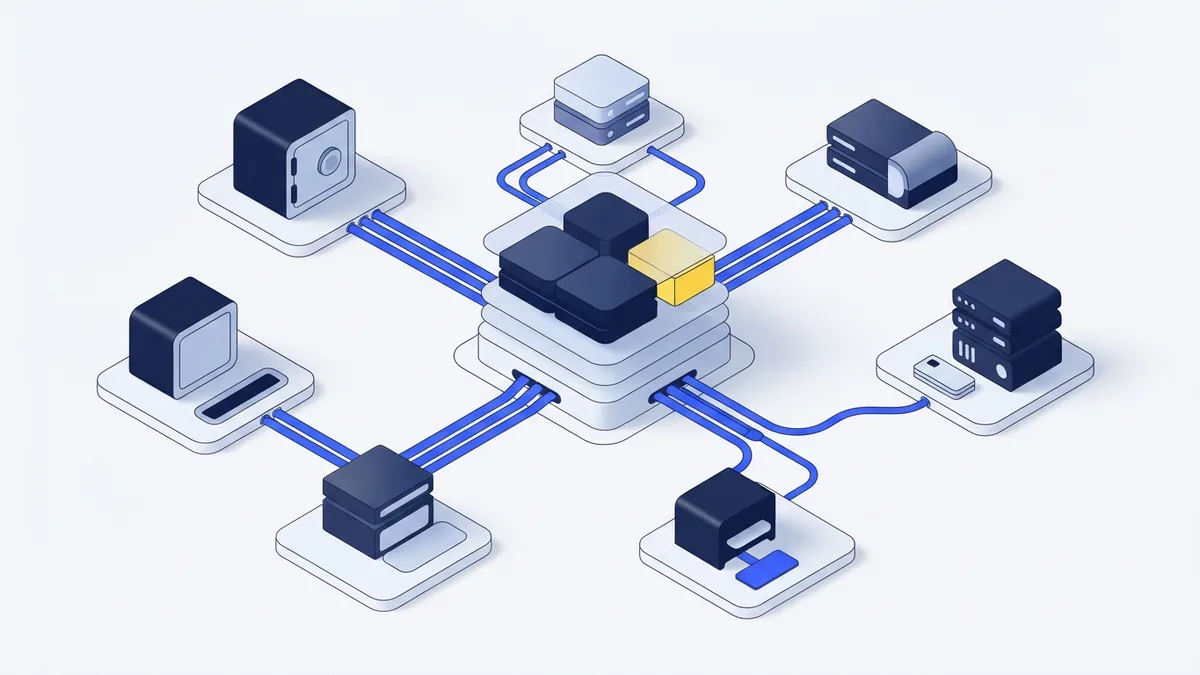
For consumers, APIs can bring accounts from several banks into one view. A person might track spending, sort purchases, or check balances in one app. These tools can save time when they reduce the need to switch between bank sites.
Some services use approved data to speed up an application. A lender may review income details shared from an account. This can reduce manual form filling, but it does not guarantee approval or better terms.
Businesses can also gain a clearer view of cash across accounts. A small firm might link its bank accounts to a cash tracking service. Payment services may offer bank transfers as another way to pay online.
The best open banking APIs depend on the task. A tool for account views needs reliable data access. A payment service needs clear payment approval and status updates. There is no single best bank API for every user or business.
- View accounts from more than one bank in one place.
- Share selected details for some checks or applications.
- Use account payments where banks and services support them.
- Build new tools through collaboration between banks and fintech firms.
Benefits depend on the service, its fees, and the data it asks for. Read the terms before granting access. Share only what the service needs.
Key features and secure open banking
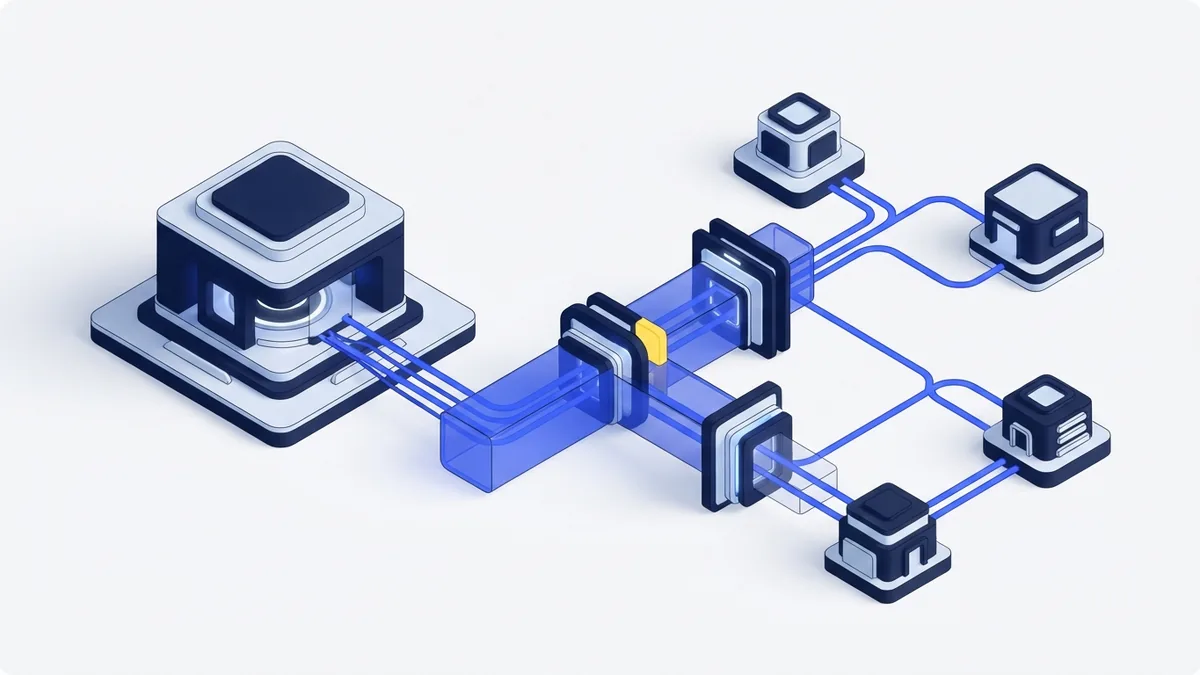
Secure open banking APIs use safeguards to limit access and protect data. Banks may check who is making a request and use encrypted links. An access token acts like a digital key with set limits.
Good access rules match the service’s purpose. A spending app may need balances and transaction history. It should not ask for payment access without a clear need. Limited access can reduce the harm from a stolen key.
Customer control is just as important as technical security. People should know which provider is asking, what data it needs, and how long access lasts. They should also know how to stop access.
Shared standards can help different banks and providers connect in a similar way. Banks still need to test for failed requests, service outages, and unusual access. Strong security depends on both sound tools and sound day-to-day checks.
- Clear consent for each service and purpose.
- Limits on the data and actions each provider can reach.
- Ways to review, renew, or end access.
- Checks that flag unusual requests or failed connections.
Customers should use trusted services and keep their bank sign-in details private. A provider should not ask a customer to share those details outside the bank’s approved sign-in flow. Contact the bank if an access request looks wrong.
Popular open banking APIs and banks
There is no fixed list of the best open banking APIs. Access, fees, features, and country coverage can change. Compare options based on the task, the banks supported, and the rules in your market.
In the United Kingdom, Barclays, HSBC, and NatWest support open banking services under local rules. BBVA has offered developer APIs in some markets. Citi also provides API tools for selected services and regions. Availability depends on location and product.
Platforms such as Plaid and Tink connect services with many financial providers in supported markets. They can help a business avoid building a separate bank link for each institution. Their coverage and features differ, so confirm that they support the banks your users need.
When comparing banks with open APIs, check whether access is public or limited to approved providers. Review the data available, test tools, support, uptime, and fees. These checks matter more than a broad claim to offer the best bank APIs.
| Option | What to check |
|---|---|
| Bank API | Available services, access rules, and country coverage |
| API platform | Supported banks, data types, and service fees |
| Payment API | Approval flow, payment status, and support for refunds |
For developers, test the service with real use cases before launch. Check how it handles missing data and bank downtime. A link that works in a demo may still fail under daily demand.
Challenges and future trends
Building open APIs can be hard for banks with older software. They may need to add new links without disrupting core services. Keeping data formats consistent across systems can also take time.
Security and legal duties add more work. Banks must check providers, protect customer data, and meet local rules. They also need clear ways to handle complaints, outages, and mistaken payments.
Service quality is another challenge. A slow or unreliable bank link can break an app’s core feature. Banks and providers need to track errors and fix weak points before they affect many customers.
Future changes may bring wider data sharing and new payment services. Rules may also change as lawmakers address privacy, security, and customer rights. Banks and providers will need to adapt without weakening consent or control.
Expect more work between banks, fintech firms, and payment networks. Better shared standards may make connections easier to build and maintain. The useful test is simple: does a service solve a real problem while keeping customers in control?
Frequently asked questions
- What are open banking APIs?
- They are software links that let approved providers access specific bank data or payment services. Access depends on customer consent and local rules.
- How do open banking APIs work?
- A customer picks a service and agrees to a stated request. The bank checks the request and shares only the data or service allowed.
- Are open banking APIs secure?
- They can use encrypted connections, access limits, and identity checks. Security also depends on the bank, provider, and customer following safe steps.
- Which banks offer open APIs?
- Banks such as Barclays, HSBC, and NatWest support open banking services in the United Kingdom. Access and features vary by country and product.
- What are the main types of banking APIs?
- Common types share account data, start payments, or check account details. The right type depends on the service and the permission granted.
- How should I compare open banking APIs?
- Check supported banks, data types, fees, security steps, and service quality. Choose an API that fits the task and your market.
Related reading
What Is the Payment Services Directive 2?
PSD2 opened EU banking to new payment firms and added stronger security checks.

What Is an API in Banking?
See how banking APIs link apps and banks, share data, and support secure services.
What Is an Open API in Banking?
See how banking APIs connect banks, fintech firms, and customers.