
What Is the Payment Services Directive 2?
PSD2 opened EU banking to new payment firms and added stronger security checks.
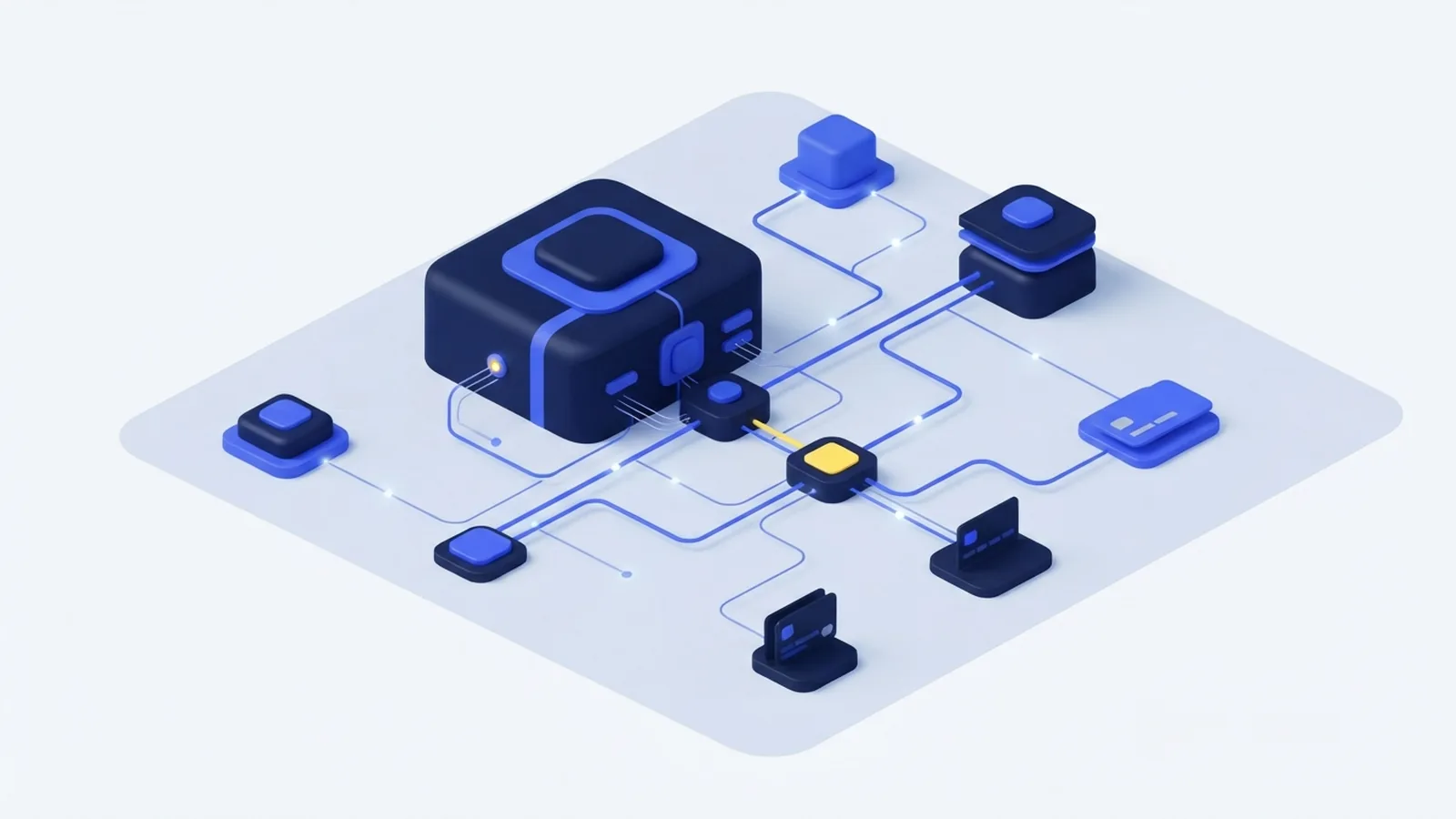
What PSD2 means for EU payments

The Payment Services Directive 2, or PSD2, is an EU law that sets rules for electronic payments. It opened parts of banking to approved providers and added stronger checks for many online payments. Consumers can use new payment services, while banks and fintech firms must meet shared rules.
The European Parliament and Council approved PSD2 in 2015. It updated the first Payment Services Directive, known as PSD1, from 2007. EU countries had to bring its rules into national law by January 2018. Some key security rules took effect later.
PSD2 is also called the second Payment Services Directive. It applies across the European Economic Area through EU law and related national rules. The exact way firms meet their duties can vary by country.
The directive forms part of the EU's wider payment services regulations. Its rules cover firms that provide payment services, not every financial product or bank activity.
Why the EU brought in PSD2
PSD2 aims to make Europe's payment market more joined up. Shared rules can help firms offer payment services across borders. They can also make it easier for new providers to compete with banks.
Another goal is safer electronic payments. The law sets common security duties and strengthens customer rights. It also seeks to make fees and payment terms clearer.
Open Banking is one result of these changes. With a customer's permission, a bank can share account data with an approved provider. That access can support new tools, while leaving the account at the bank.
The law seeks a balance. New firms need room to build useful services. Customers still need control over their data and a way to report problems.
- Support a more open and competitive EU payment market
- Let approved providers offer account-based payment services
- Improve security for many electronic payments
- Set clearer rights and duties for customers and firms
New payment services: PIS and AIS
PSD2 names two services that rely on access to bank accounts. A Payment Initiation Service, or PIS, starts a payment at the customer's request. The customer can use a third-party service to pay a merchant directly from a bank account.
For example, a shopper might choose a payment app at checkout. The app sends a request to the bank, and the customer approves it there. The bank then handles the payment under its usual process.
An Account Information Service, or AIS, gathers account data from one or more banks. A customer might use it to view balances and transactions in one place. It can also help build a budget from spending records.
These providers are known as Third Party Providers, or TPPs. Banks must allow access for authorized providers when the customer consents. They do not give TPPs a general right to use data for any purpose.
Customers should check what information an app asks to see. They should also review its stated purpose and revoke access when they no longer need the service. Consent should be tied to the service the customer chose.
Stronger checks and consumer protection
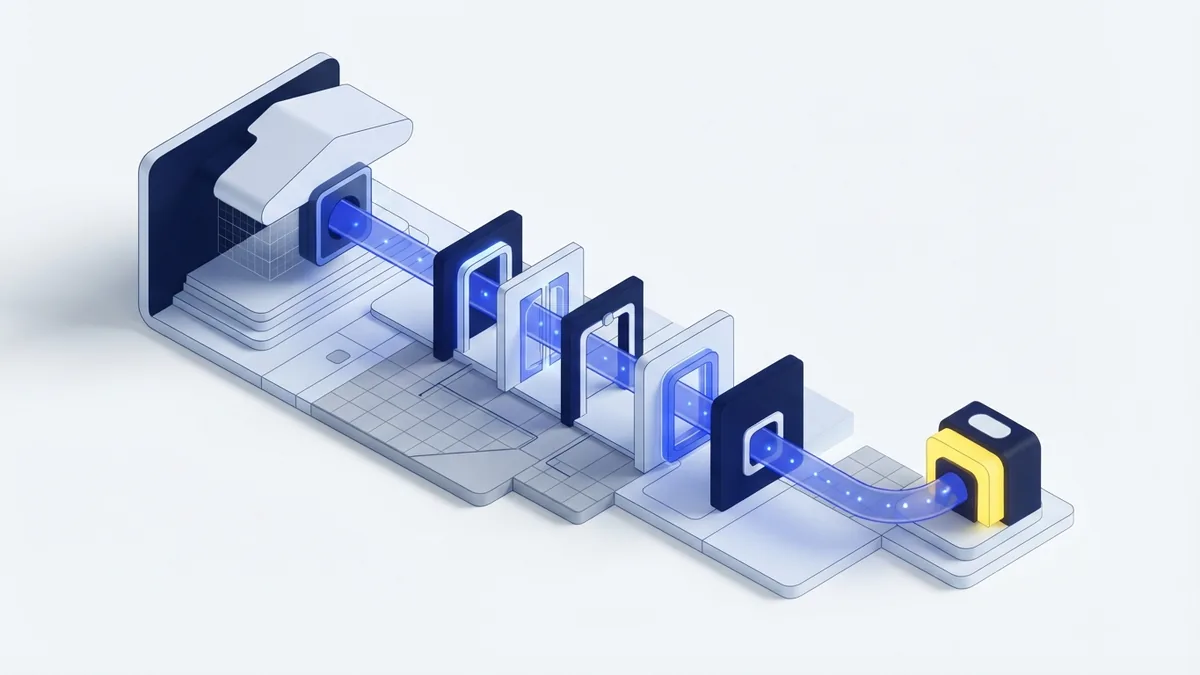
Strong Customer Authentication, or SCA, is a key PSD2 security measure. It requires checks based on at least two distinct elements. These can be something the customer knows, owns, or is.
A bank might ask for a password and a code sent to a trusted device. A fingerprint can serve as another element. The two checks must come from different categories.
SCA applies to many online payments and account actions. Rules allow some exemptions, such as certain low-value payments or recurring payments. The bank or payment firm must decide whether an exemption applies.
PSD2 also sets customer protections for payment errors and unauthorized payments. Customers should contact their payment provider promptly if they spot a problem. The provider must handle complaints under the rules that apply in that country.
Security checks can add a step at checkout. In return, they help reduce the risk of someone using stolen payment details. The experience may differ by bank, payment type, and risk level.
What PSD2 changed for banks and fintech firms
PSD2 gave fintech firms a route to offer services linked to bank accounts. Approved providers can build payment and account-viewing tools without becoming the customer's bank. That can give consumers more choice.
Banks had to build secure ways to share account data with authorized providers. They also had to support payment initiation where the customer asked for it. Access must follow technical and legal rules.
For customers, the change can mean quicker account-based payments and a broader view of money held at different banks. For businesses, it can create another way to accept payments. It may also reduce reliance on card-based checkout in some cases.
Not every new service will suit every user. Providers may differ in fees, features, and how they protect data. Customers should compare those terms before giving access.
Traditional banks also face more competition in some payment services. They remain responsible for their own duties, including account security and lawful data access. PSD2 does not remove the bank's role.
Compliance and regulatory duties
Any firm offering covered payment services in the EU needs the right regulatory status. Depending on its service and location, it may need authorization or registration as a payment institution or account information provider. National regulators oversee firms under the rules.
Firms must protect customer data and use it only for permitted purposes. They need sound security controls, clear customer terms, and ways to manage complaints. They must also meet reporting and incident duties where these apply.
Banks must check that a third-party provider is authorized before granting access. They must also keep access channels secure and support customer-approved requests. Technical standards set further requirements for communication and security.
Failure to meet the rules can bring regulatory action. The outcome may include fines, limits on services, or loss of permission to operate. Penalties depend on the breach and the national enforcement regime.
Firms should map each service to the relevant rule before launch. They should confirm their license, test their access systems, and review how consent works. Ongoing checks matter because both services and rules can change.
PSD2's role in the future of payments
PSD2 changed how payment services work across Europe. It set common ground for account-based payments and gave authorized third parties a defined role. It also made stronger customer checks a normal part of many online payments.
Consumers gain choice, but they should stay alert to data access and payment terms. Businesses and fintech firms gain new ways to serve customers, but must meet the rules first. Banks must support secure access while protecting their customers.
The EU continues to shape its digital finance rules. Any future changes may build on PSD2, but firms should follow the rules currently in force in each market. The central idea remains clear: open payments need strong safeguards.
For customers, the best approach is simple. Use providers you trust, review permissions, and report unfamiliar payments quickly. For firms, secure design and clear consent are core parts of doing business.
The official PSD2 text on EUR-Lex sets out the directive's scope and duties. The European Banking Authority explains key PSD2 security measures for payment service providers.
Frequently asked questions
- What is the Payment Services Directive 2?
- PSD2 is an EU law that sets rules for electronic payment services. It supports competition, account access for approved providers, and stronger payment security.
- When did PSD2 take effect?
- EU countries had to bring PSD2 into national law by January 2018. Key Strong Customer Authentication rules took effect later.
- What is the difference between PIS and AIS?
- PIS lets an approved provider start a payment at a customer's request. AIS lets a provider gather account information with the customer's consent.
- Does PSD2 let apps access my bank account?
- An authorized provider can access the account data needed for its service when you give consent. Check the app's permissions and end access when you no longer need it.
- What is Strong Customer Authentication under PSD2?
- SCA checks a customer's identity with at least two distinct elements. These must use different types of proof, such as knowledge and possession.
- What can happen if a firm does not comply with PSD2?
- A regulator may impose fines, restrict services, or withdraw permission to operate. The response depends on the breach and national rules.
Related reading

What Is an API in Banking?
See how banking APIs link apps and banks, share data, and support secure services.

What Is an Open API in Banking?
See how banking APIs connect banks, fintech firms, and customers.

What Is Payment Initiation? (How Open Banking Payments Work)
See how open banking lets people pay directly from their bank accounts.