
What Is an Open API in Banking?
See how banking APIs connect banks, fintech firms, and customers.

What Is an Open API in Banking?
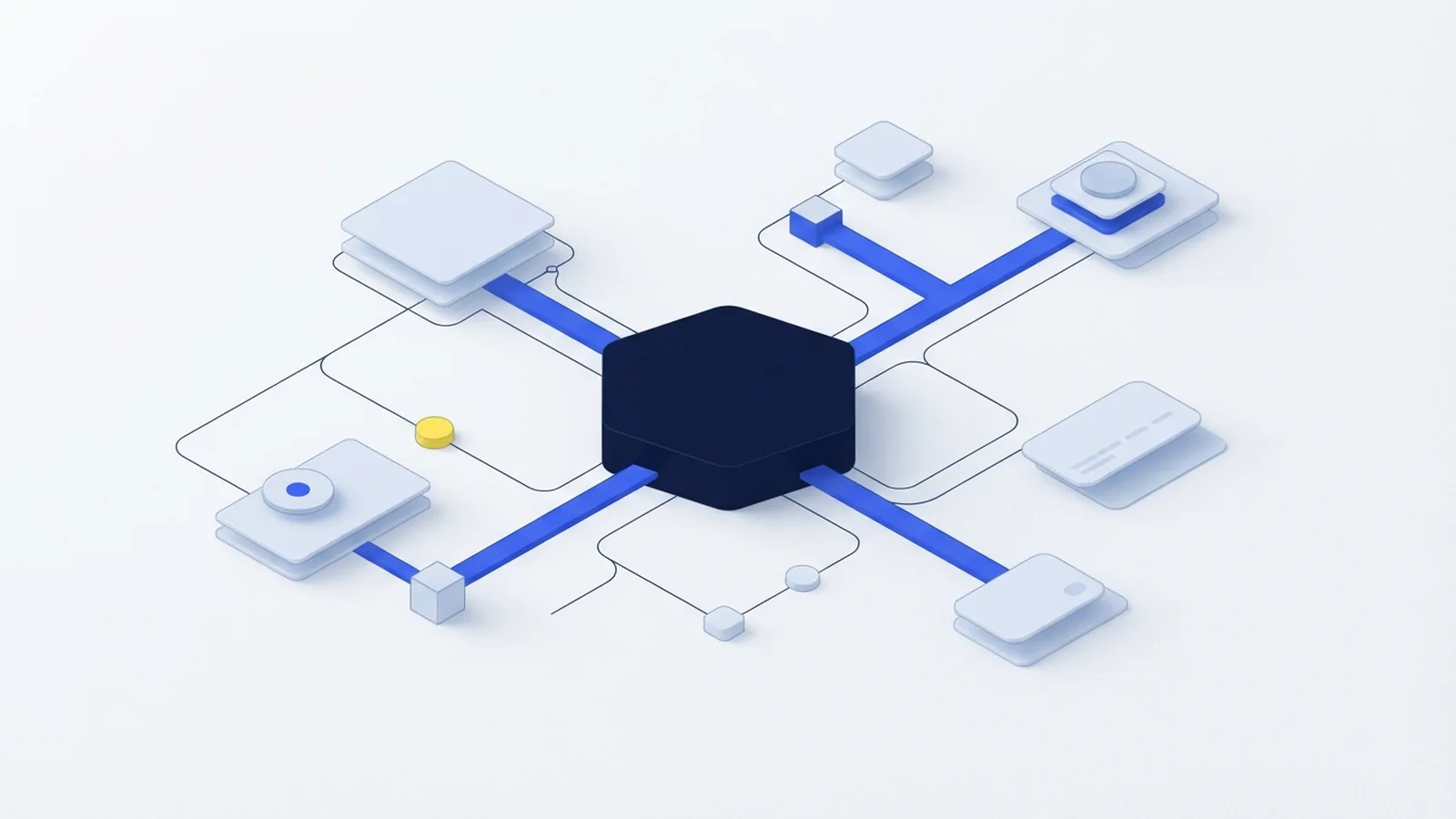
An open API in banking lets approved outside firms connect to a bank’s data or services. API means application programming interface. It is a set of rules that lets software systems exchange requests and replies.
In practice, a customer may grant an app access to account details or approve a payment through a bank. The app does not receive the customer’s bank password. Instead, the bank checks the request and shares only the data or service the customer approved.
This is the core of the open banking definition: banks share access through secure, agreed connections. “Open” does not mean that anyone can view every account. Access depends on permission, identity checks, and the rules in force.
A simple REST API banking example is an app asking a bank for recent transactions. The bank checks the app’s access, then returns approved data in a set format. That shared format helps different systems work together.

Why Open Banking Matters
Open banking gives customers more ways to use their financial data and services. A budgeting app can bring several accounts into one view. A lender may use approved account data to assess income and spending.
These tools can make common tasks quicker. Customers may compare services, track bills, or start a payment without switching between several bank apps. They can also revoke access when they no longer need a service.
For banks, open APIs create a way to work with firms outside their own walls. Banks can add useful services without building every feature themselves. Fintech firms, in turn, can reach customers through secure links to bank systems.
More choice can spur competition. It may also help people with thin credit files or limited access to branch-based services. Better access is not automatic, though. Products must be affordable, easy to use, and designed for people with varied needs.

Common Types of APIs in Banking
The types of API in banking vary by task. Some share account data, while others help users pay or prove who they are. A bank may offer several types through one API banking platform.
- Account information APIs: Share approved details such as balances and transaction history. Personal finance tools use them to show accounts in one place.
- Payment APIs: Let a customer approve a payment from a bank account. A shop or app can use the service without handling the customer’s bank login.
- Authentication APIs: Help confirm a user’s identity or approval. Banks may use them to check that a customer has agreed to share data or make a payment.
- Other service APIs: Some banks share tools for account opening, card controls, or business services. Access and features depend on the bank and local rules.
Account data and payment access are often called read and write access. Read access lets a service view approved information. Write access lets it request an action, such as starting a payment, which still needs customer approval.
Bank APIs can be private, partner-based, or open to approved third parties. Private APIs serve a bank’s own systems. Partner APIs connect selected firms. Open APIs use published rules for access by eligible providers.

Benefits for Customers, Banks, and Fintech Firms
Open APIs can give customers more choice. They can use a service that fits a specific need, rather than relying on one bank’s built-in tools. Clear permission screens also make it easier to see what data an app wants.
Competition can push firms to improve service and value. Banks may gain new ways to reach customers, while fintech firms can build on trusted account and payment systems. The result can be faster product testing and more useful financial tools.
Open banking services may also support financial inclusion. For example, cash-flow data could help some lenders understand a person’s ability to repay. That can matter when a standard credit record offers too little detail.
There are limits. Data can be misused if access controls fail or customers do not understand consent. A weak service can also create extra steps instead of saving time. Good design, clear fees, and strong security remain vital.
- Customers can connect accounts and services that suit their needs.
- Banks can work with outside firms to add new features.
- Fintech firms can build services without replacing core bank systems.
- Better data access may help some people qualify for useful products.
Open Banking Rules and Compliance
Open banking compliance means meeting rules for data use, security, consent, and service access. Requirements vary by country. Banks and third-party firms must check which laws apply where they operate.
In the European Union, PSD2 set rules for payment services and enabled regulated firms to access certain account data with customer consent. The European Commission’s overview of EU payment services explains the policy setting for these services.
In the United Kingdom, the Open Banking Standard supports secure data sharing through common rules and technical standards. The UK Open Banking explanation describes how customers can share data or make payments through approved providers.
Good practice starts with clear consent. Firms should ask only for data they need, explain how they will use it, and make it easy to stop access. Banks also need checks for provider identity, secure connections, and unusual activity.
Rules do not remove all risk. Firms still need a plan for outages, data loss, and customer complaints. They should also review access over time, since a firm’s role or permission may change.
Examples of Open APIs in Banking
The United Kingdom offers a clear example of shared standards at market scale. Banks and approved providers use common ways to connect for account data and payment services. This helps an app work with more than one bank, rather than building a different link for each one.
BBVA in Spain and DBS in Singapore have also built API programs for partners and developers. Such programs let outside firms connect to selected bank services. The exact tools and access terms differ, so a bank’s API catalog is the best source for current details.
Brazil has taken a wider open finance approach under rules led by its central bank. It extends data sharing beyond basic bank accounts to more financial products. These examples show that open banking can take different forms under local laws.
They also show why shared standards matter. When firms agree on data formats and access steps, partnerships are easier to build. Customers still need clear consent and a way to manage connected services.
What Comes Next for Open API Banking?
More banks are likely to work with fintech firms through shared APIs. Banks can focus on trusted accounts and payment rails. Partners can add tools for budgeting, lending, or business cash flow.
Open finance is another growing theme. It can extend customer-approved data sharing to areas such as savings, pensions, and insurance. That wider reach may help customers see more of their finances in one place.
Expect more focus on safer data sharing and smoother sign-in. Banks may also improve tools for tracking consent and stopping access. Better shared standards could make cross-border services easier to build.
Open APIs are not valuable just because they connect systems. They matter when they give customers useful choices, protect their data, and work reliably. That balance will shape the next phase of banking partnerships.
Frequently asked questions
- What is an open API in banking?
- It is a set of rules that lets approved outside firms connect to certain bank data or services. Access depends on customer permission and required security checks.
- What is the difference between open banking and an open API?
- Open banking is the wider practice of sharing financial data or services with customer approval. An open API is one technical way to make that sharing work.
- What are the main types of APIs in banking?
- Common types include account information, payment, and authentication APIs. Banks may also offer APIs for account opening, card controls, or business services.
- Is open banking safe to use?
- It can be safe when firms use strong security, clear consent, and approved access rules. Customers should check what data a service requests and remove access when it is no longer needed.
- How does PSD2 affect open banking?
- PSD2 set rules for payment services in the European Union and enabled regulated firms to access certain account data with customer consent. Local rules and later updates may also apply.
- How do banks benefit from open APIs?
- Banks can partner with outside firms to add services and reach new customer needs. They can also let partners build features around bank accounts and payment systems.
Related reading
What Is the Payment Services Directive 2?
PSD2 opened EU banking to new payment firms and added stronger security checks.

What Is an API in Banking?
See how banking APIs link apps and banks, share data, and support secure services.

What Is Payment Initiation? (How Open Banking Payments Work)
See how open banking lets people pay directly from their bank accounts.