What Is Open Finance and How Does It Work?
See how open finance links financial data and services with customer permission.

Introduction to open finance
What is open finance? It is a way to let people share financial data with approved firms through secure digital links. With the person’s consent, this can include data from banks, pension plans, investments, loans, and insurance.
An open finance definition should include both the data and the customer’s choice. Sharing is meant to support a service the person wants. It does not give every firm free access to private records.
Open finance can link parts of a person’s financial life that often sit in separate systems. One service might bring account balances and pension savings together. Another might use approved income and debt data to help assess a loan request.
The aim is a more connected set of financial services. The promise is useful, but it depends on safe data use and clear rules.
Key features of open finance
An open finance API is a set of rules that lets software systems share chosen data. In an API open finance setup, a data holder sends approved details to a service selected by the customer. The customer does not need to hand over an account password.
Consent is central. The firm should say what data it needs, why it needs it, and how long access will last. The customer should be able to review that access and end it when it is no longer useful.
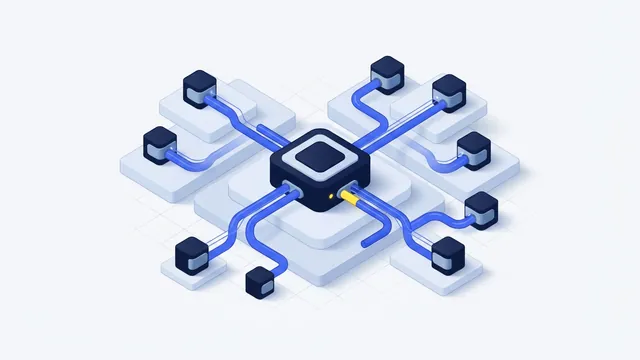
An open finance platform can link data holders, service firms, and the tools that check permission. Shared formats can make these links easier to build and test. Security checks and clear records help firms track who accessed data and why.
- Data sharing with the customer’s permission
- Secure links between data holders and approved services
- Clear rules for data formats and access checks
- Ways to review or end permission
These open finance technologies can support new services, but the tools alone do not ensure good outcomes. Firms must also use data in ways people can understand and trust.

Open finance vs open banking
What is the difference between open banking and open finance? Open banking mainly covers bank account data and payment services. With permission, approved apps may view certain account details or start payments.
Open finance extends that idea to more kinds of financial data. Its possible scope includes pensions, investments, savings, mortgages, insurance, and credit. The exact reach depends on local rules and which firms take part.
So, open banking is one part of the wider open finance model. Open banking vs open finance is not a choice between two rival services. It is a difference in scope: one centers on bank accounts, while the other can span more of a person’s finances.
In the EU, PSD2 set rules for payment services and account access. It helped shape open banking, but it does not cover every area of open finance. The EU’s PSD2 directive sets out its scope and legal terms.
In the UK, the FCA has a role in financial rules and oversight. FCA open banking work sits within the wider rules for payment services. FCA open finance is a broader topic, and its scope depends on policy and rule changes. Check current FCA material before relying on a specific duty or access right.

Benefits for consumers and businesses
For consumers, linked data can cut the need to switch between many accounts and providers. A single service might show cash, debt, and pension savings together. This wider view may help people spot fees or gaps they had missed.
Data can also help firms tailor services to a person’s needs. A lender may see a fuller picture of income and regular costs. An adviser could look at savings and debt together when discussing a plan.
Businesses may make faster choices when customers permit access to useful data. Shared tools can also lower the work needed to build a new service. Better offers and simpler tools may give people more choice.
These gains are not automatic. Data can be out of date, hard to compare, or used in ways that do not help the customer. Firms need fair access and sound checks.
That is why open finance regulation matters. Rules can set duties for firms, support safe data sharing, and define how permission works. The details vary by country and by type of financial service.

How open finance works in practice
A data-sharing journey starts when a person picks a service. The service asks for certain data and explains its purpose. The person can then grant permission through a secure process with the firm that holds the data.
The firms connect through APIs and send only the approved details. The receiving service uses those details for the agreed task. It might sort spending, compare savings options, or help fill out a loan request.
- Choose a service. Check its purpose and the data it asks to use.
- Review the request. Look at the data types and access period.
- Give permission. Approve access through the secure process.
- Check access later. End any permission you no longer want.
Firms must also manage risks. They need to keep data safe, limit its use, and make clear who handles a complaint. Customers should know how to get help if access seems wrong.
There can be weak points. Data formats may differ, systems may fail, and a service may ask for more data than it needs. Clear limits and simple consent screens can help reduce these risks.
Use cases and new ideas
Open finance can help people see more than their bank balance. A household may bring savings and pension details into one view. A small business might share approved account data with a bookkeeper to speed up cash planning.
It may also support loan checks and car finance applications. A lender could ask to view selected income and spending data, with the applicant’s consent. This may help the lender assess affordability, though it cannot promise approval or a lower rate.
Fintech firms may use open finance to shape tools around a person’s needs. AI may help sort data or flag patterns, but it should not replace sound checks or explainable decisions. People need a way to question a result that affects them.
Open finance is not the same as embedded finance. Embedded finance places a financial service inside another product or business journey. Open finance concerns permission-based data access. A service can use both ideas, but they solve different problems.

The future of open finance
The move from open banking to open finance will depend on shared rules, secure links, and broad participation. More firms may join as data standards improve. Wider access could make it easier to build services across banks, lenders, and pension firms.
Privacy remains a key concern. People need clear choices, fair treatment, and a simple way to stop access. Firms must avoid collecting data just because they can.
Trust will shape whether people use these services. Strong safeguards, plain explanations, and reliable tools matter as much as new features. Open finance can make services more connected, but its value rests on customer control.
In short, open banking and open finance share a focus on permission-based data use. Open finance has a wider reach, with more room for useful services and more need for sound oversight.
Frequently asked questions
- What is open finance?
- Open finance lets people share selected financial data with approved firms. It can include bank, pension, investment, loan, and insurance data.
- What is the difference between open banking and open finance?
- Open banking mainly covers bank account data and payment services. Open finance can extend data sharing to other areas, such as pensions and insurance.
- How does an open finance API work?
- An API lets systems send data in agreed formats. The data holder sends only information the customer has approved for a service.
- Is open finance safe?
- It can be safer when firms use secure links, limit data access, and explain consent clearly. Customers should check which data a service wants and how to end access.
- Can open finance help with car finance?
- It may let an applicant share selected income and spending data with a lender. The lender can use that data in an affordability check, but it does not ensure approval.
Related reading
What Is Pay by Bank, and How Does It Work?
Pay by bank moves money straight from a customer’s account to a business.

Best B2B Payment Platforms: Features, Types, and Selection Guide
Compare b2b payment platforms, methods, features, and best practices for smoother payments.

Open Banking User Experience: Benefits and Challenges
See how open banking changes customer experience via APIs, data control, and safety.