What Is Pay by Bank, and How Does It Work?
Pay by bank moves money straight from a customer’s account to a business.
What Is Pay by Bank?
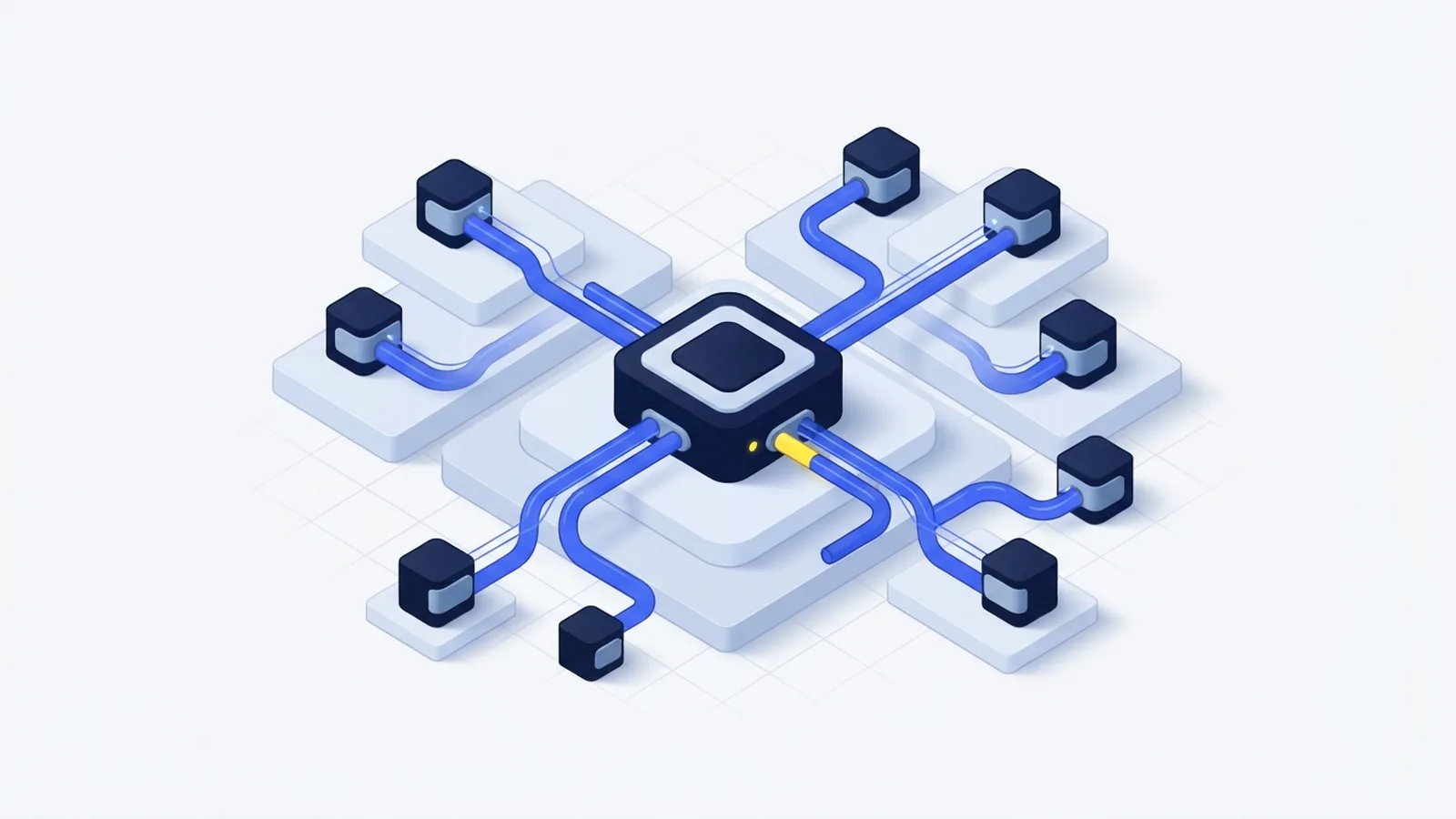
Pay by bank is a way to pay online by moving money directly from your bank account to a business. Instead of entering card details, you choose your bank and approve the payment through its app or website. The money travels between accounts, often through a payment provider or bank network.
This is also called an account-to-account payment. It can use open banking, a system that lets approved providers connect with banks when a customer gives permission. The customer still signs in with their bank, not with the shop. Pay by bank is not a loan, and it does not require a credit card.
The exact steps and speed depend on the country, banks, and payment provider. Some payments arrive in seconds. Others may take longer or need extra checks. That difference matters when a business needs to know when funds are ready.
How Does Pay by Bank Work?
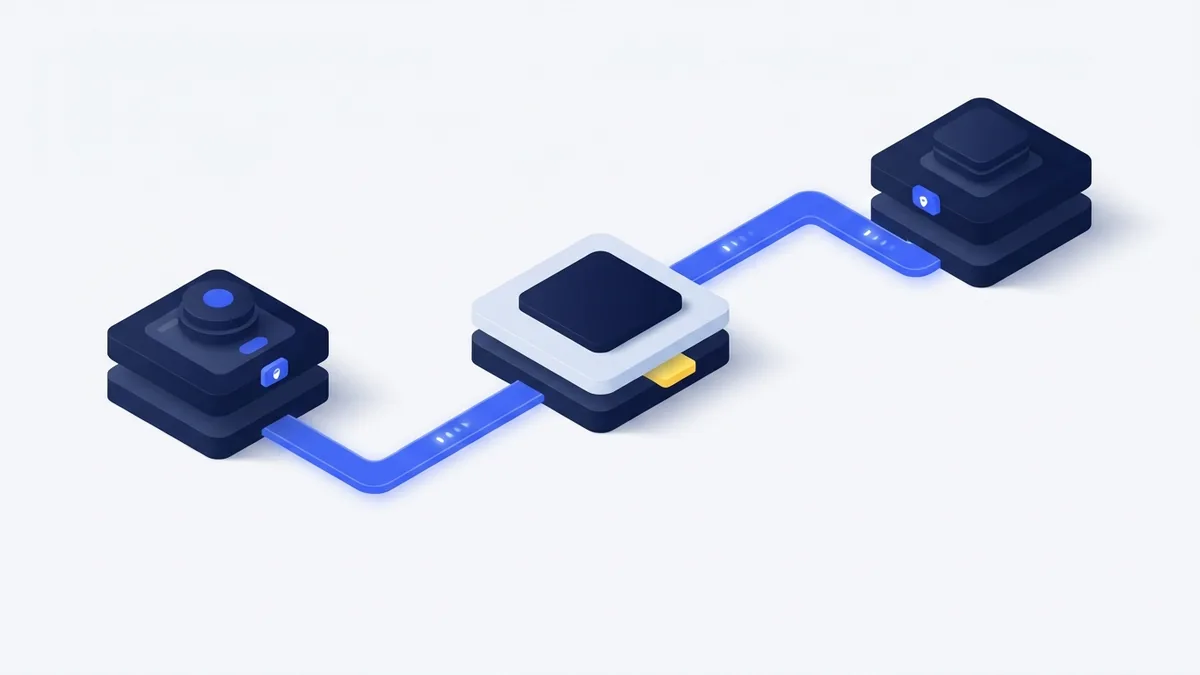
The checkout flow is usually short. The customer selects pay by bank, picks their bank, then confirms the amount and recipient. Their bank asks them to sign in and approve the payment. The bank then sends the payment, while the merchant receives a status update.
A typical payment follows these steps:
- Choose the method. The customer selects pay by bank at checkout.
- Select a bank. A provider connects the checkout to the customer’s bank.
- Review and approve. The customer checks the details and confirms in their banking app.
- Send and confirm. The bank moves the funds and reports whether the payment went through.
Approval happens within the bank’s own sign-in process. The payment provider should not receive the customer’s banking password. Customers should check the payee and amount before they approve, just as they would with any transfer.
Pay by bank can support instant payments, but speed is not guaranteed. A bank may be offline, a payment may need review, or the receiving account may not support fast transfers. Merchants should show a clear pending status when they have not yet received final confirmation.
Benefits of Pay by Bank
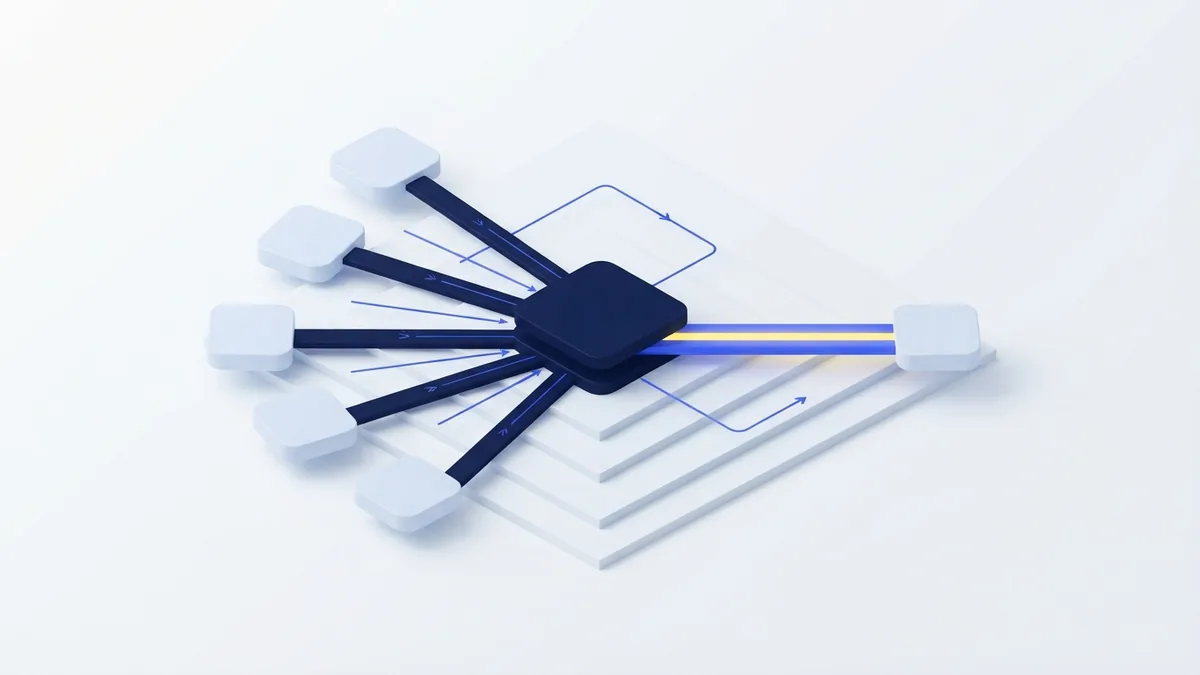
One key benefit is cost. Card payments involve several parties and fees. Direct bank payments can cost merchants less to process. Some providers report savings of around 50% compared with card payments, but the real gap depends on the provider, market, and payment size. Businesses should compare the full fee schedule, not rely on a single headline figure.
Direct payments can also cut out the need to key in card details. That can make checkout feel simple, especially on a phone. Customers use a banking app they already know. For businesses, fewer manual steps can mean fewer typing errors and less time spent fixing failed payments.
Security is another draw. The customer approves the payment with their bank, which can use its own checks to confirm identity. This may lower some risks tied to stolen card details. It does not remove all fraud or payment risk, so businesses still need fraud checks and clear refund rules.
Success rates can improve when a payment flow is easy to follow and gives a quick result. Faster confirmation can help a shop release an order sooner. It can also give a customer or service firm quicker access to funds. Still, outcomes vary by bank, provider, and customer behavior.
- Potentially lower processing costs than card payments
- Approval through the customer’s bank
- Fast payment status and, in some cases, quick settlement
- No card number to enter or store at checkout
Where Is Pay by Bank Useful?
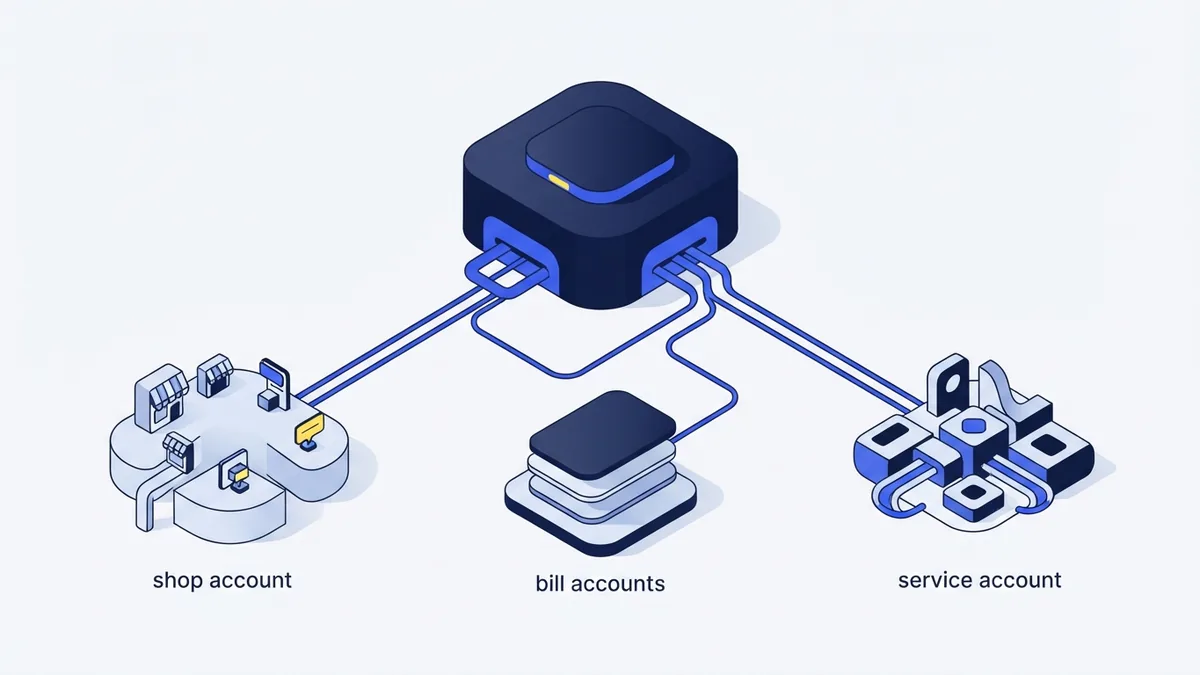
Online shops can offer pay by bank as another checkout choice, especially for larger orders. A customer who prefers not to use a card can pay from an account instead. The business may also gain a clear payment result before it ships goods, subject to the provider’s terms.
It can suit bills, subscriptions, and one-off invoices. A business can send a payment request, and the customer can approve it from their bank. In open banking, a request to pay can help start that flow. The request itself is not the money transfer; the customer still needs to approve the payment.
Pay by bank may also help marketplaces and service firms that need quick payment matching. A payment status can link a transfer to an order or invoice. That can reduce manual checks. Firms should test refunds, failed payments, and repeat payments before making it a main option.
Adoption is growing in some markets, and younger consumers are among those seeking options beyond credit cards. But age is only one factor. Trust, bank coverage, ease of use, and how well the method works on mobile all shape whether customers choose it.
Pay by Bank Compared with Cards and Other Methods
Pay by bank and card payments can both work well online. The main difference is the route money takes. A card payment moves through card networks and related firms. A bank payment moves from one bank account to another, often with a provider helping connect the checkout.
| Feature | Pay by bank | Card payment |
|---|---|---|
| Payment source | Bank account | Debit or credit card |
| Customer approval | Bank app or website | Card flow and bank checks |
| Possible cost | May be lower for merchants | Fees vary by card and provider |
| Speed | Can be near instant | Approval is quick; settlement may take longer |
| Credit option | Usually no | Credit cards may offer borrowing |
Cards remain useful for credit, broad acceptance, and familiar dispute paths. Pay by bank can be a good fit when a customer wants a direct transfer or a business values lower fees and quick payment status. Offering both lets customers choose what suits them.
What Comes Next for Pay by Bank and Open Banking?
Pay by bank relies on bank links, payment rails, and clear customer approval. As more banks support open banking connections, more people may see the option at checkout. Wider reach alone will not drive use. Payments must work smoothly, show clear status, and offer sound help when something goes wrong.
Instant payment networks may make funds available sooner. Better payment notifications may also help merchants match incoming money to orders. Providers still need to handle outages, mistaken payments, refunds, and fraud in ways customers can understand.
For businesses, the best next step is a small test. Compare fees, success rates, refund handling, and support needs against current payment methods. Track results by device and customer type. Pay by bank is most useful when it solves a real checkout problem, not simply because it is new.
Frequently asked questions
- What is pay by bank?
- Pay by bank is an online payment that sends money from a customer’s bank account to a business. The customer approves it through their bank.
- How does pay by bank work?
- The customer picks their bank, reviews the payment, and approves it in their banking app or website. Their bank sends the funds and returns a payment status.
- Is pay by bank the same as open banking?
- Not quite. Open banking lets approved providers connect to bank accounts with customer permission. Pay by bank is a payment method that may use those connections.
- Are pay by bank payments instant?
- Some payments arrive in seconds, but not all do. Timing depends on the banks, payment network, provider, and any checks.
- Is pay by bank safer than paying by card?
- It can reduce the need to enter or store card details, and the bank handles customer approval. No payment method removes every risk, so check the payee and amount before approval.
- Does pay by bank cost less than card payments?
- It can cost merchants less to process, and some providers report savings near 50%. Actual fees vary, so compare rates and extra charges.
Related reading
What Is Open Finance and How Does It Work?
See how open finance links financial data and services with customer permission.
Best B2B Payment Platforms: Features, Types, and Selection Guide
Compare b2b payment platforms, methods, features, and best practices for smoother payments.
Open Banking User Experience: Benefits and Challenges
See how open banking changes customer experience via APIs, data control, and safety.