
What Is Payment Initiation? (How Open Banking Payments Work)
See how open banking lets people pay directly from their bank accounts.

What is payment initiation?
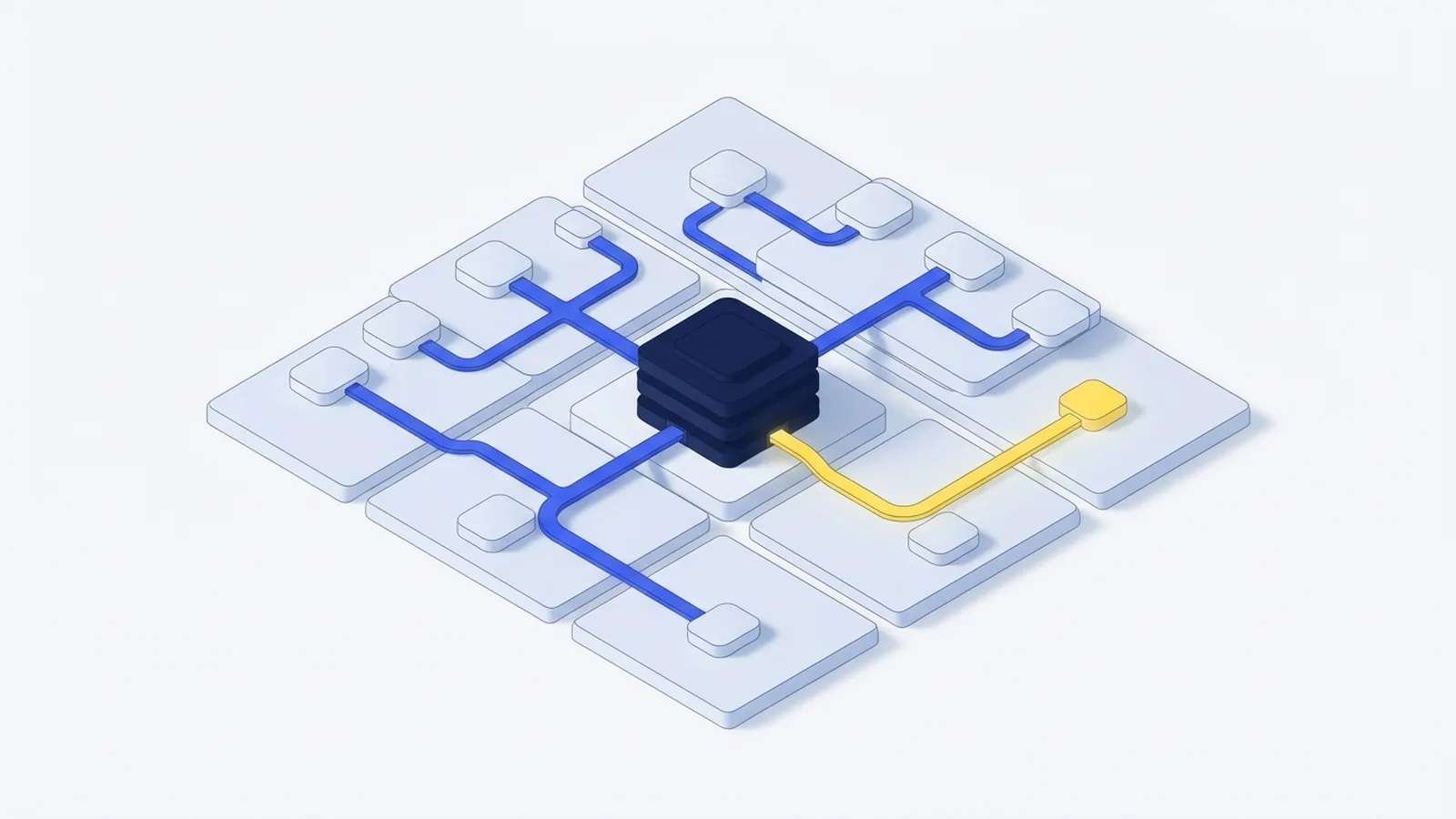
Payment initiation lets a person ask their bank to send a payment from their account. The request often starts in a business’s app or website, rather than the bank’s own payment screen. The bank checks the request and the customer’s approval, then processes the payment.
A payment initiation service provider, or PISP, links the business to the bank through an approved connection. The provider starts the payment, but does not hold the customer’s funds. This differs from a card payment, where card details and a card network route the request. With account-to-account payments, funds move from one bank account to another.
The exact steps vary by country, bank, and payment type. The core idea stays simple: the customer approves a payment, and a service securely sends that request to their bank.
Why payment initiation matters in open banking
Open banking allows customers to share certain banking data or request payments through secure, approved connections. Payment initiation is one of its key uses. It can let a customer pay from a bank account without entering card details into a merchant’s checkout.
In many systems, the customer is sent to their bank or uses a bank sign-in flow to approve the payment. The bank then confirms whether it accepted the request. The merchant can receive a status update and take the next step, such as confirming an order.
For customers, this can mean fewer form fields and a clear link to their bank. For businesses, it may reduce card-related costs or help speed up payment matching. Results depend on local rules, bank support, payment speed, and the provider’s fees.
- Customers approve payments through their bank.
- Businesses can receive payment status through a provider.
- Bank transfers may reduce reliance on card details.
Open banking does not mean that every bank account or payment type works the same way. A business must check which banks its provider supports and how each payment is confirmed.
How a payment initiation request works
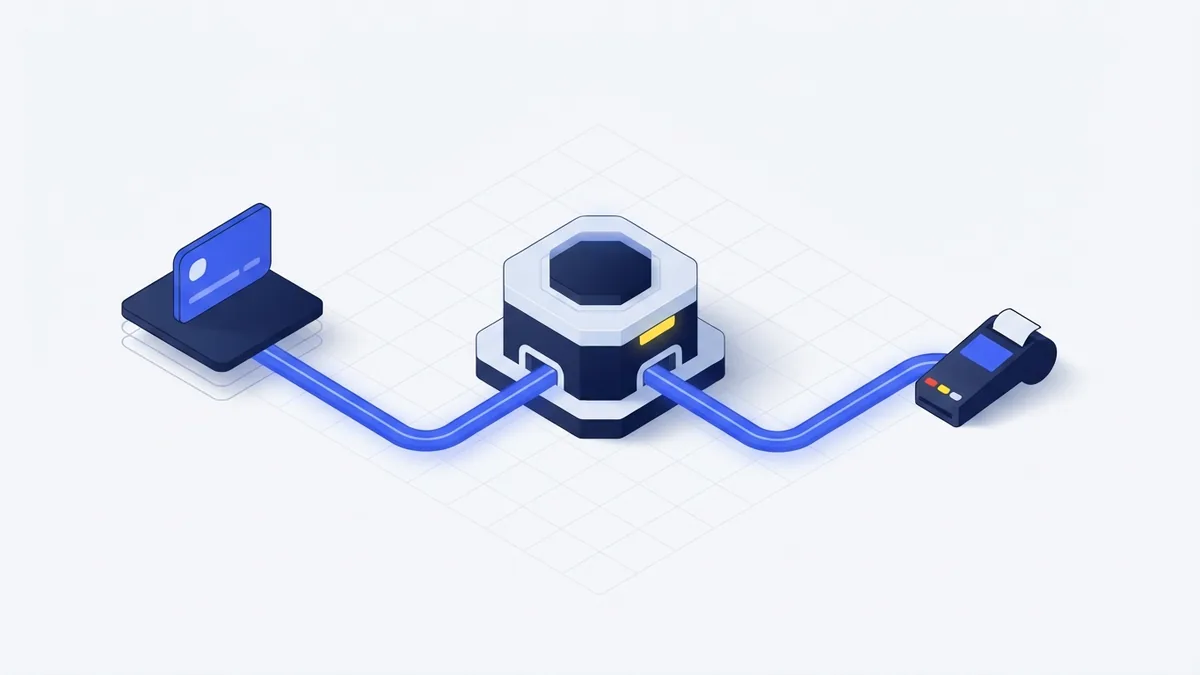
A payment initiation API lets software send a structured payment request to a provider. An API is a set of rules that lets two systems exchange data. The provider passes the request to the customer’s bank using a secure connection.
A typical payment follows these steps:
- Choose a bank. The customer selects their bank from the payment options.
- Review the payment. The app shows the amount and recipient before approval.
- Approve at the bank. The customer signs in and confirms the request using the bank’s approved method.
- Receive a status. The bank or provider reports whether the payment was accepted, rejected, or remains pending.
- Match the funds. The business checks the payment against the order or bill.
Sign-in and approval usually take place within the bank’s own flow. This helps keep private sign-in details away from the merchant. The provider should only request the access needed to start the payment.
A successful approval does not always mean the funds have settled. Some transfers arrive quickly; others take longer or can fail. Businesses should use clear status updates and avoid treating a pending request as cleared money.
Payment types and how they differ
Payment initiation can support different transfer types. The amount, destination, and payment rails shape the speed and cost. A provider may offer only some options, based on the banks and countries it serves.
| Payment type | Common use | What to check |
|---|---|---|
| Low value | Online orders, bills, or small transfers | Limits, fees, and confirmation speed |
| High value | Large invoices or business transfers | Bank limits, added checks, and cut-off times |
| Cross-border | Payments to a recipient in another country | Currency, fees, delivery time, and local support |
Traditional card payments usually rely on card details and card networks. A payment initiation service instead asks the bank to send money from the account. Direct debits differ too: a customer grants permission for a business to collect payments under agreed terms.
Cross-border payments need extra care. The sending and receiving banks may use different payment systems, and currency conversion can add cost. Before offering this option, a business should state the likely fee, exchange rate, and delivery window.
What a payment initiation API does
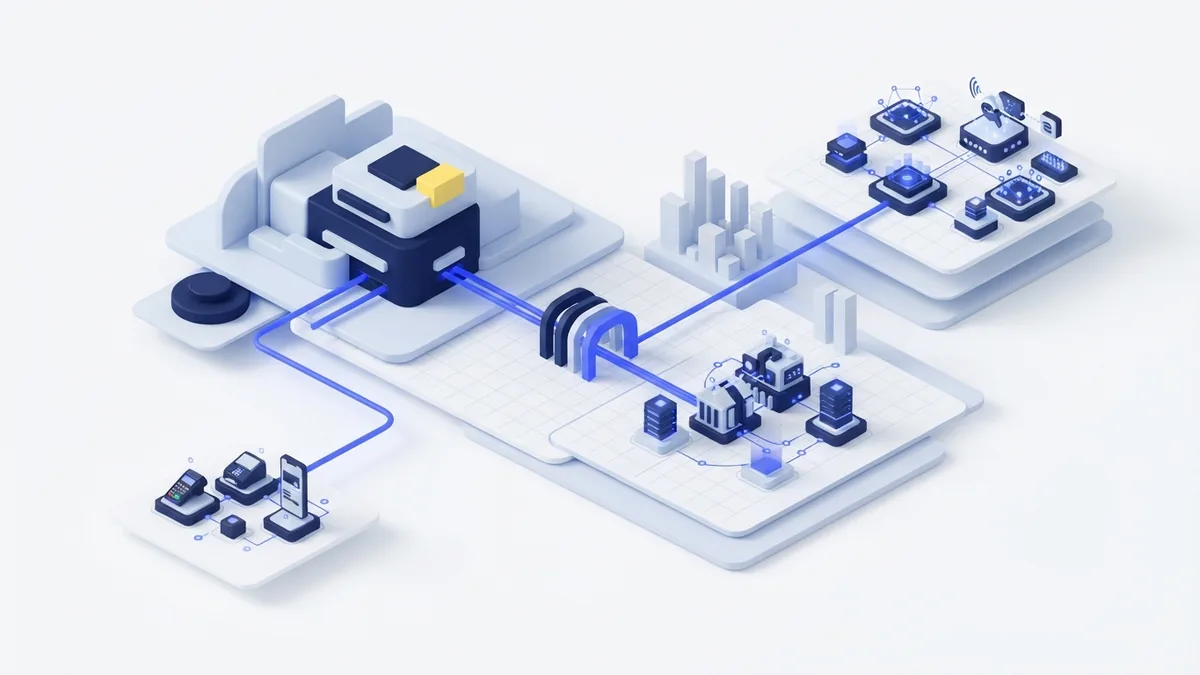
A payment initiation API connects a business’s payment flow to a provider’s service. The business sends details such as the amount, currency, and recipient. The provider returns a secure route for the customer to approve the payment.
After approval, the provider can send status updates to the business. This may happen through a response to the original request or through a later notification. The business then updates its order, bill, or account record.
Good API design covers more than sending a request. The business needs to handle declined payments, timeouts, duplicate requests, and customer cancellations. It should also protect personal data, keep useful records, and check that each payment matches the right order.
In the European Union, rules under PSD2 set a framework for payment services, including payment initiation. The precise duties depend on the service and the country. See the EU’s PSD2 directive for the legal text. Businesses should confirm local licensing and security duties with qualified advisers.
Before choosing a provider, check its bank coverage, payment status data, support for refunds or returns, fees, and help when payments fail. A test environment can help teams check these cases before launch.
How Variable Recurring Payments work
A Variable Recurring Payment, or VRP, lets a customer approve a set of future payments under agreed rules. Those rules may set limits, timing, or the kinds of payments allowed. The amount can vary within the agreed terms, unlike a fixed monthly payment.
For example, a customer could approve payments for household bills up to a set cap. Each bill could then be paid from the bank account when due. The customer does not need to approve every payment again, but can manage or end the permission through the service or bank flow.
VRPs can make repeat payments easier for customers and businesses. They may help reduce missed payments and the need to store card details. Businesses can also gain a more direct view of payment status.
Availability and rules differ by market and bank. A business should explain the payment limits, schedule, and cancellation path in plain terms. Customers need a simple way to see what they approved and stop future payments when needed.

What may change next
Payment initiation is likely to grow as more banks and payment firms improve their connections. Better status updates could help businesses spot failed payments sooner. Wider support for recurring payments may also give customers more choice in how they pay regular bills.
Cross-border use may grow if providers can connect local payment systems with clear fees and reliable timing. However, each new market brings its own rules, bank coverage, and customer needs. A payment flow that works well in one country may need changes elsewhere.
Security and trust will remain central. Providers and businesses must protect account access, explain what customers approve, and respond well when a payment fails. The strongest services will make those steps clear without adding needless friction.
For a business, a sound first step is to test one use case, such as account-to-account checkout or bill payment. Measure completion rates, failed payments, support requests, and total costs. Those results show whether payment initiation improves the experience for both customers and staff.
Frequently asked questions
- What is payment initiation?
- Payment initiation is a service that asks a customer’s bank to send a payment from their account. The customer approves the request through the bank’s sign-in and approval flow.
- How does open banking payment initiation work?
- A business sends a payment request through a provider’s API. The customer approves it with their bank, which then processes the transfer and returns a payment status.
- What is a payment initiation API?
- It is a software connection that lets a business send payment details to a payment provider. The provider routes the request to the customer’s bank and shares status updates.
- How is payment initiation different from a card payment?
- Payment initiation asks the bank to send money from the customer’s account. Card payments use card details and card networks to route the payment.
- What is a Variable Recurring Payment?
- A VRP lets a customer approve future payments under agreed rules, such as a limit or schedule. The amount can vary within those rules, and the customer can manage the permission.
- Are payment initiation services regulated?
- Rules depend on the country and service. In the EU, PSD2 covers payment services, including payment initiation, while local laws set the specific duties.
Related reading
What Is the Payment Services Directive 2?
PSD2 opened EU banking to new payment firms and added stronger security checks.
What Is an API in Banking?
See how banking APIs link apps and banks, share data, and support secure services.
What Is an Open API in Banking?
See how banking APIs connect banks, fintech firms, and customers.