What Is PSD2 in Banking, and How Does SCA Work?
See how PSD2 shapes payment security, bank access, and customer rights.


What PSD2 means for banking
PSD2 stands for the Payment Services Directive 2. It is an EU regulation that aims to make payments safer and support competition. It sets rules for banks, payment firms, and services that use account data.
So, what is PSD2 in banking? It is a shared rulebook for payment services and access to bank accounts. Customers can use approved providers to view account details or start payments. Banks still play a key role in keeping accounts secure.
The rules affect firms based in the EU and many firms that serve EU customers. Their duties depend on their role and the service they offer. Businesses may need to change checkout steps, payment tools, and customer support.
The directive also bars extra surcharges on many consumer card payments covered by EU rules. This can make the price at checkout easier to understand. The EU’s PSD2 directive text sets out the legal framework.
PSD2 and SCA often come up together, but they are not the same thing. PSD2 is the wider rule set. SCA is one security measure within it.
Key features: AIS, PIS, and open banking
Two types of service sit at the heart of PSD2 AIS PIS access. Account information services, or AIS, bring data from a customer’s accounts into one view. Payment initiation services, or PIS, let a provider start a bank payment at the customer’s request.
These services need the customer’s permission and must follow the rules for their role. They do not grant a provider free access to every account detail. Customers should check what data they share and which service receives it.
The term XS2A PSD2 refers to access to payment accounts under the directive. In practice, banks provide ways for approved providers to reach account services. The customer’s bank can apply security checks as part of that access.
PSD2 also strengthens customer rights. Payment firms must give clear information about fees, timing, and ways to raise a complaint. Customers can contact the provider first, then seek help from the relevant national body if needed.
- AIS: Shows account details from more than one source.
- PIS: Starts a bank payment with the customer’s permission.
- Customer rights: Support clear fees and complaint routes.
- Account access: Gives approved providers a defined role.
For shoppers, these services can offer new ways to manage money or pay online. For businesses, they can add a payment option beyond card checkout. The provider and bank must still protect the account and payment flow.
How PSD2 changes payment security
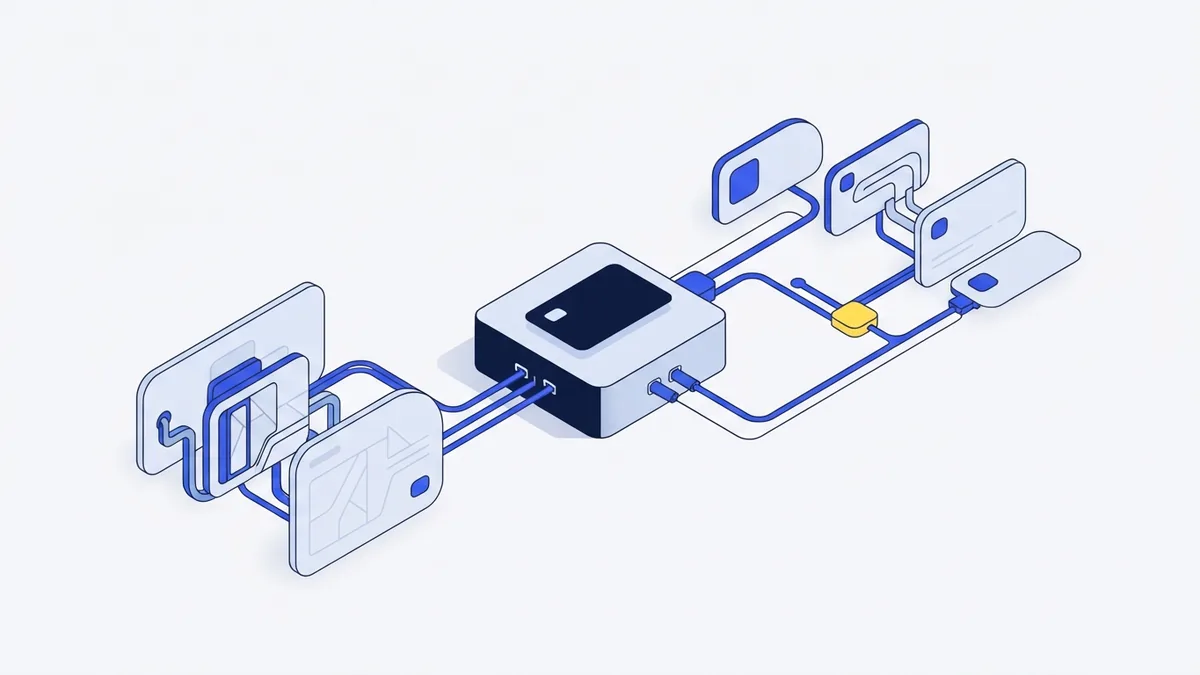
PSD2 SCA rules require a strong customer check for many electronic payments. SCA means Secure Customer Authentication. It aims to make stolen card details alone less useful to a thief.
SCA uses at least two separate kinds of proof. A customer may know a passcode, own a registered phone, or use a trait such as a fingerprint. Two passcodes do not count as two different kinds of proof.
For an online payment, a bank might ask for a passcode and phone approval. The bank can link the approval to the payment amount and payee. Customers should check both details before they confirm.
Some payments may qualify for an exemption under set rules. A bank or payment firm decides whether the payment meets those conditions. Customers should expect that a check may still appear.
The EU SCA regulation is part of the broader payment security framework. The European Banking Authority sets out relevant safeguards in its PSD2 security guidance. SCA does not replace fraud checks or safe account handling.
Businesses should test their payment steps on common devices and browsers. They should also plan for a failed app prompt or a customer changing phones. A clear fallback can help a valid payment go through without weakening security.
Understanding SCA and customer checks
People often call SCA two-factor authentication, or 2FA. PSD2 2FA is a common way to describe the idea, but the legal term is SCA. The rules apply to covered payment cases, not every sign-in or account action.
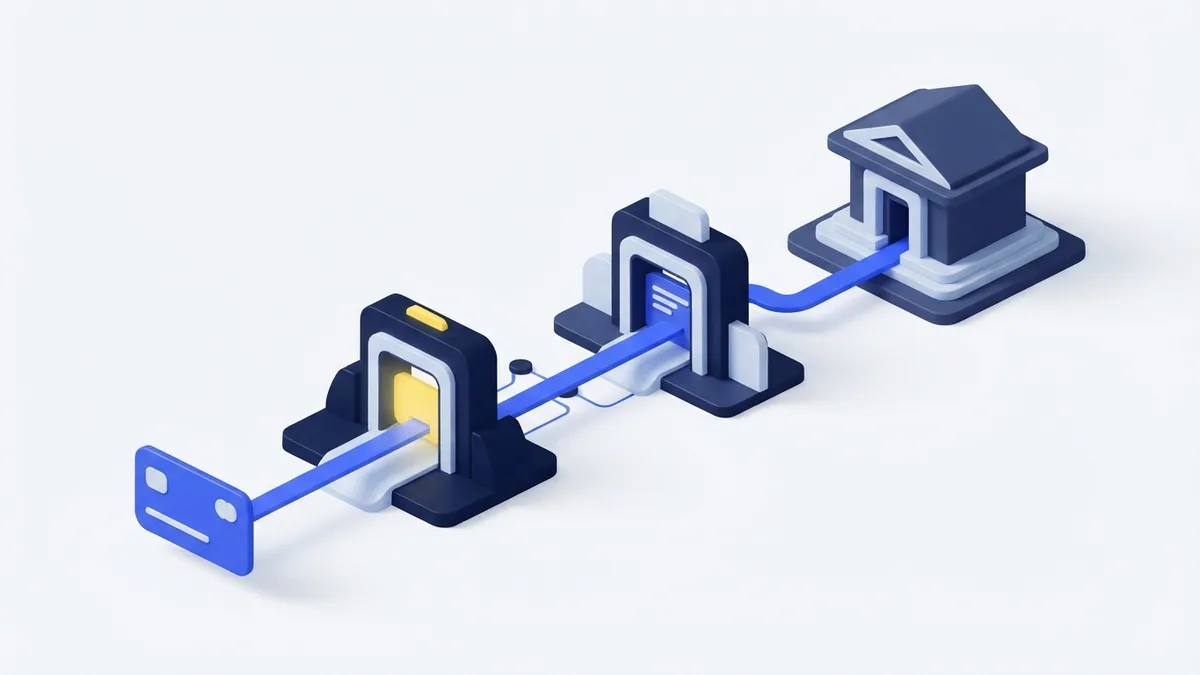
What is PSD2 SCA in practice? It is a payment check that uses separate proof types and links them to the payment. This helps confirm that the customer approved the intended amount and payee.
The phrases SCA in PSD2 and SCA and PSD2 point to this same link between the directive and its security checks. A payment may need a fresh check, depending on the case. A bank may also apply stronger checks when it sees signs of risk.
For businesses, the SCA payment regulation can affect checkout design and payment success rates. Teams should test repeat buyers, new devices, and payments that need a step-up check. Keep the instructions brief so customers know what to approve.
There is no single flow that suits every payment. Firms should map the steps from checkout to bank approval and test each handoff. That work is a key part of PSD2 SCA implementation.
Third-party providers and bank access
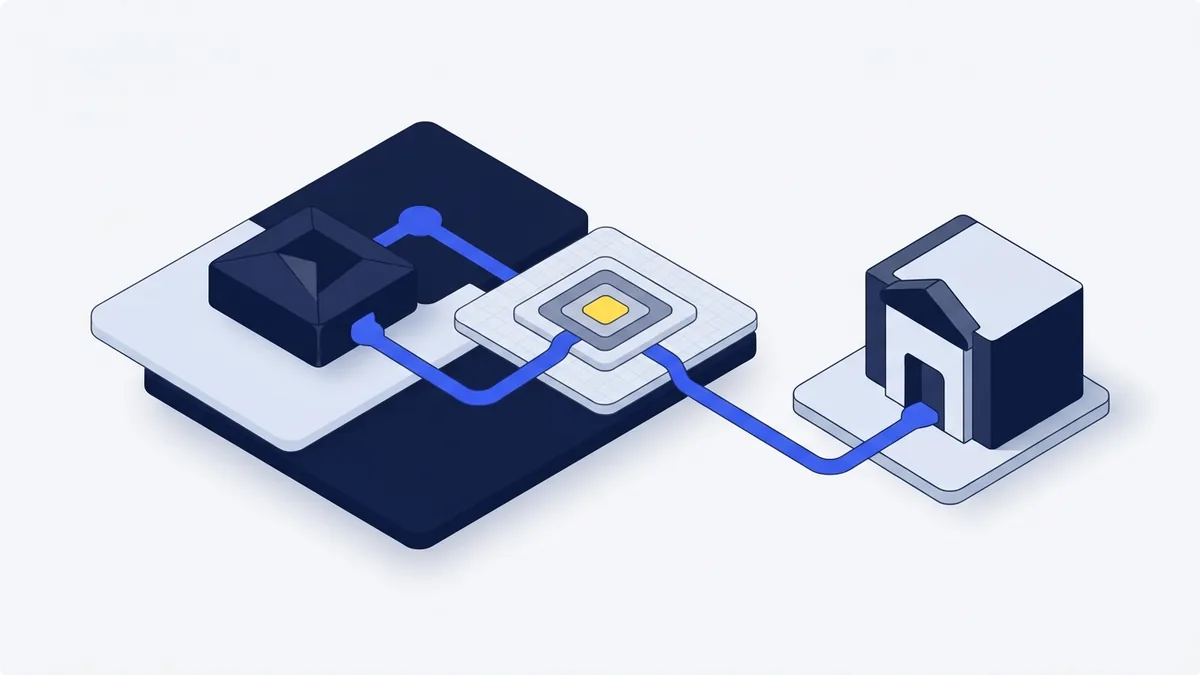
PSD2 lets approved third-party providers reach payment accounts when customers give permission. This approach is often called open banking. It can let a provider gather account details or start a payment from a bank account.
A provider does not take over the customer’s bank account. The bank remains responsible for its own account services and security steps. The provider must also meet the rules that apply to its service.
Direct bank payments can change online checkout. A customer may choose PIS instead of entering card details. The provider sends the payment request to the bank, and the customer confirms it through the bank’s process.
Firms should explain what data they need and why. They should also make it easy for customers to find the payment amount, payee, and status. Clear records help support teams resolve questions later.
Trusted beneficiaries and payment exemptions
A trusted beneficiary is a payee that a customer has marked as trusted with their bank. Trusted beneficiary PSD2 rules can affect whether a later payment needs the same check. The bank decides how to apply the rule and may still ask for SCA.
This option can make repeat payments simpler, but customers should add payees with care. Check the name and account details before saving a beneficiary. A trusted label does not prove that a request is genuine.
Other exemptions may apply in defined cases, such as some low-value or low-risk payments. Exemptions do not mean that customers can demand a skipped check. The bank or payment provider must assess the payment under the rules.
What PSD2 means for payment services next
PSD2 continues to shape EU digital payments, bank access, and payment security. Its mix of customer choice and bank safeguards affects both new services and familiar checkout flows. Firms that serve EU customers should review their payment setup as rules and services change.
For customers, the main steps are simple: check the payee and amount, review data permissions, and use trusted devices. For businesses, good implementation means testing bank links, payment approvals, and support routes. Those steps help reduce confusion without adding needless friction.
PSD2 is more than a security rule. It also sets expectations for access, clear fees, and complaint handling. Understanding how PSD2 and SCA fit together helps customers and firms make better payment choices.
Frequently asked questions
- What is PSD2 in banking?
- PSD2 is an EU rule set for payment services and bank account access. It aims to improve payment security, support competition, and protect customer rights.
- What is PSD2 SCA?
- PSD2 SCA means Secure Customer Authentication under the Payment Services Directive 2. It uses at least two separate kinds of proof for many electronic payments.
- What do AIS and PIS mean under PSD2?
- AIS lets an approved provider show account information with customer permission. PIS lets a provider start a bank payment at the customer’s request.
- Does PSD2 require two-factor authentication for every payment?
- No. SCA applies to many covered electronic payments, but some cases may qualify for an exemption. The bank or payment firm decides whether the rules allow it.
- What is a trusted beneficiary under PSD2?
- A trusted beneficiary is a payee that a customer has marked as trusted with their bank. The bank may still ask for a security check on a payment.
- How does PSD2 affect businesses that serve EU customers?
- Businesses may need to support SCA, approved account access, and clear payment information. They should test checkout steps and support routes for their payment services.
Related reading
What Is the Payment Services Directive 2?
PSD2 opened EU banking to new payment firms and added stronger security checks.
What Is an API in Banking?
See how banking APIs link apps and banks, share data, and support secure services.
What Is an Open API in Banking?
See how banking APIs connect banks, fintech firms, and customers.