
What Is a Banking API, and What Can It Do?
See how banking APIs link financial services, account data, and payments.

What Is a Banking API?
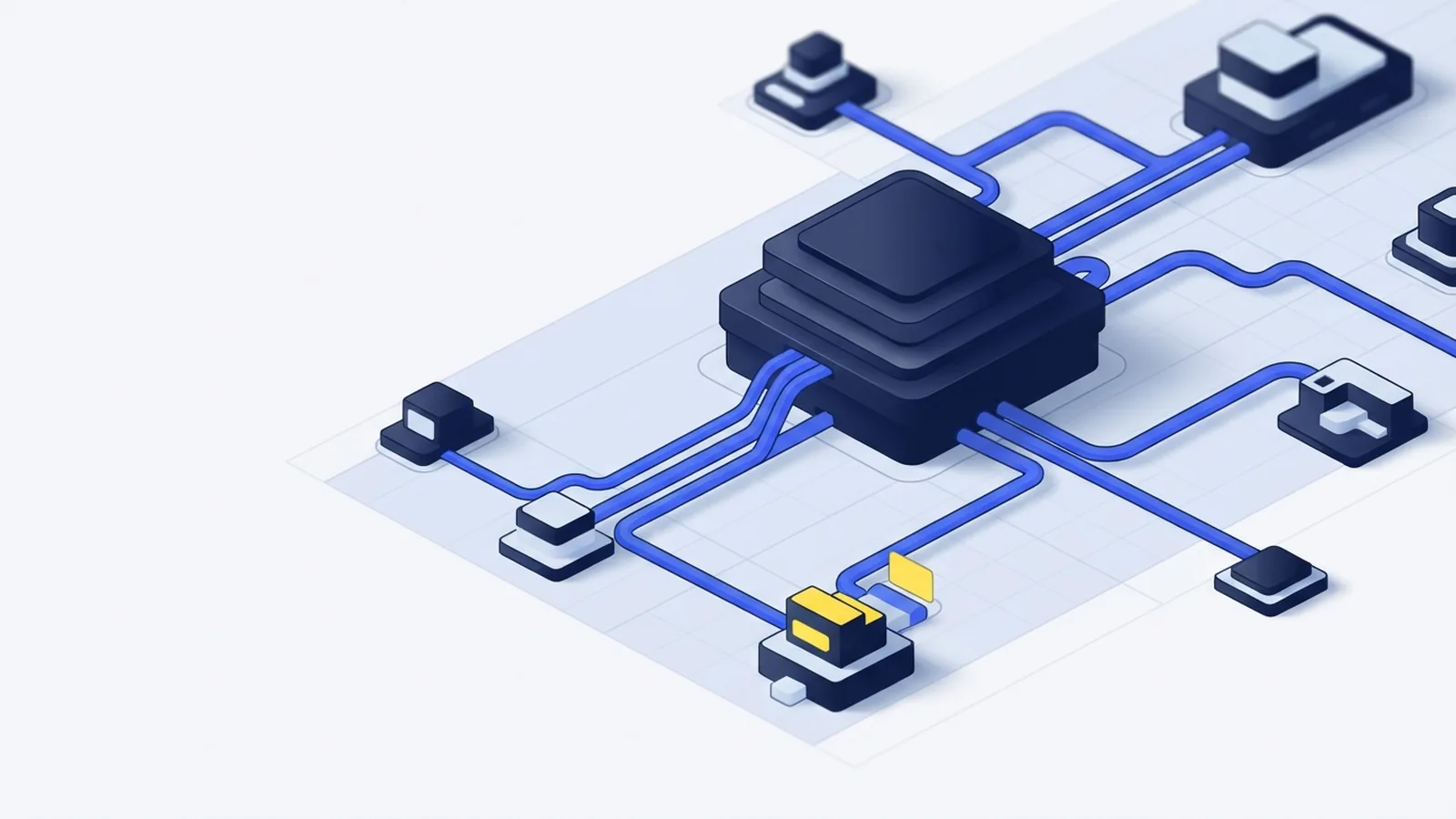
A banking API is a set of rules that lets software connect with banking services. API stands for application programming interface. It gives one system a controlled way to ask another system for data or an action.
With customer consent, a third-party app can use an open banking API to view account details or start a payment. The app does not get direct access to a bank’s core systems. The bank checks each request and limits what the app can do.
For example, a budgeting app may gather balances from several banks. An accounting tool may match incoming payments with invoices. These links help banks and financial technology firms build services that work together.
An open banking API definition should include more than the technical link. It also covers who may connect, what data they can request, and how consent works. A digital banking API may support a wider set of bank services, depending on its design.
How Do Banking APIs Work?
The process starts when a customer picks a service and agrees to share data or approve an action. The app sends a request to the bank or an API provider. The bank checks the app’s identity and the customer’s permission.
If the checks pass, the bank shares the approved data or carries out the requested action. The app might show an account balance or report that a payment was sent. Permission can be limited by purpose, data type, and time.
In Europe, PSD2 set rules for payment services and access to account data. It requires banks to support secure access for authorized third-party providers. The EU’s PSD2 directive sets out the legal framework.
Teams often connect through an open banking API platform rather than building links to every bank. An open banking API aggregator can manage connections to many banks. The app still needs customer consent and must meet the rules for its service.
That shared path makes services easier to link. It also means a weak link can affect the whole service.

Key Features and Security
Banking APIs commonly support account information services and payment initiation. Account information services let customers view data from one or more accounts in one place. Payment initiation lets a customer approve a bank transfer through a trusted app.
APIs can also set limits on the data a provider may see. Sign-in checks help confirm the customer, while access controls restrict the provider’s actions. Banks and providers may use encryption to protect data as it moves between systems.
So, is open banking secure? It can be, when banks, providers, and customers use sound safeguards. No API can make every connected app safe by itself. Customers should check the provider and review the permissions before they agree.
Secure open banking access depends on clear consent and careful handling of account data. A provider should ask only for what its service needs. Customers should also remove access when they no longer use the service.
- Account data: balances, account details, and payment history, when allowed
- Payment actions: approved transfers and payment status checks
- Consent controls: clear limits on the data or action a provider may use
- Security checks: controls that confirm the customer and the requesting provider
An open banking API standard can make connections more consistent. Still, banks and countries may differ in the features they support. Teams need to check local rules and bank coverage before launch.

Where Banks and Apps Use Banking APIs
Personal finance apps use APIs to bring account details into one view. Customers can track spending across banks without opening each bank’s app. This can help them spot bills, income, and changes in daily costs.
Payment apps can use an open banking API for payments. A customer can approve a bank transfer from within an app, without relying on card infrastructure. The customer still reviews and approves the payment through the bank’s agreed process.
Companies use a corporate banking API to link bank data with accounting and cash tools. A finance team can check balances, track payments, and update records. This can cut down on manual data entry.
Some firms add banking features to their own products. This is often called embedded banking. A business platform, for example, may let users check account activity or pay a supplier without leaving the service.
Coverage varies by country and provider. An open banking API Europe service may connect to banks across several markets, but it may not support every bank. A firm working in France should check local bank links and rules before choosing an open banking API France provider.

Benefits, Costs, and Limits
APIs can speed up product work because firms can build on services banks already offer. Teams can add one feature at a time, then adjust it as needs change. That gives them room to test new ideas without building every banking link from scratch.
They can also make services easier to use. Customers may see accounts in one place or pay from a bank account inside an app. Clear consent and useful account views can remove extra steps.
Costs and bank coverage matter too. A free open banking API may be available for a test or small project. Other services charge for bank links, support, or higher use. Ask about open banking API pricing, usage limits, and the cost of adding more banks.
Before plugging into a banking API, teams should check data coverage, uptime, support, and security controls. A gateway can route requests between an app and bank services. API management tools can help teams track access, errors, and changes as they grow.
A portal may offer setup notes and test tools for developers. Some providers share sample code or open banking API Python libraries on GitHub. Treat public code as a starting point, not proof that a service is safe or ready for launch.
Emerging Trends and What Comes Next
Instant payments are a key area of change. Faster transfers can help people and firms move money sooner. API providers must make payment status clear and handle failed or delayed requests well.
Some firms are also using AI to spot signs of fraud. These tools can review patterns in payment data and flag activity for a closer look. They should support careful checks, not make every decision without human review.
Expanded data access may help providers tailor services to customer needs. For example, a small firm could share cash flow data to get a more fitting finance offer. More data also brings more duty to explain its use and protect it.
Open banking API PSD2 innovation has helped make data sharing and payment services more common in Europe. New rules and market needs may shape the next stage. A sound strategy should start with a clear customer need, then weigh bank coverage, cost, consent, and risk.
Banking APIs are useful building blocks, not a product strategy on their own. Their value comes from safe access, reliable links, and a service that solves a real task. Choose an API setup that can grow without asking for more data than needed.
Frequently asked questions
- What is a banking API?
- A banking API is a set of rules that lets software connect with bank services. It can support approved access to account data or payment actions.
- Is open banking secure?
- Open banking can be secure when banks and providers use strong checks and limit access to approved data. Customers should review permissions and use trusted providers.
- What can an open banking API do?
- It can let approved apps retrieve account information or start a payment with customer consent. The exact features depend on the bank, country, and provider.
- Is there a free open banking API?
- Some providers offer free access for testing or small projects. Fees may apply for wider bank coverage, support, or higher usage.
- How does PSD2 relate to open banking APIs?
- PSD2 sets rules for payment services in Europe, including secure access to account data by authorized providers. Providers must meet the rules that apply to their service.
Related reading
What Is the Payment Services Directive 2?
PSD2 opened EU banking to new payment firms and added stronger security checks.

What Is an API in Banking?
See how banking APIs link apps and banks, share data, and support secure services.
What Is an Open API in Banking?
See how banking APIs connect banks, fintech firms, and customers.