
How Does Open Banking Change Business Accounts?
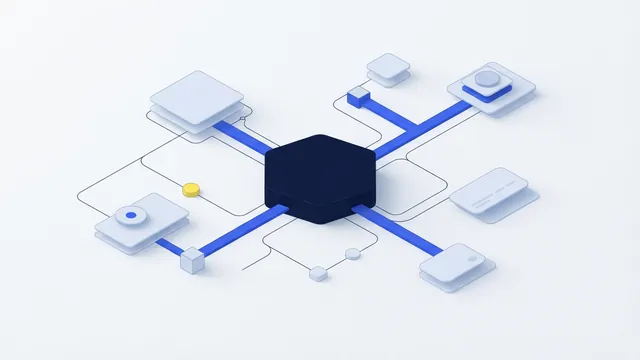
See how open banking links business accounts to useful financial tools.

What is open banking?
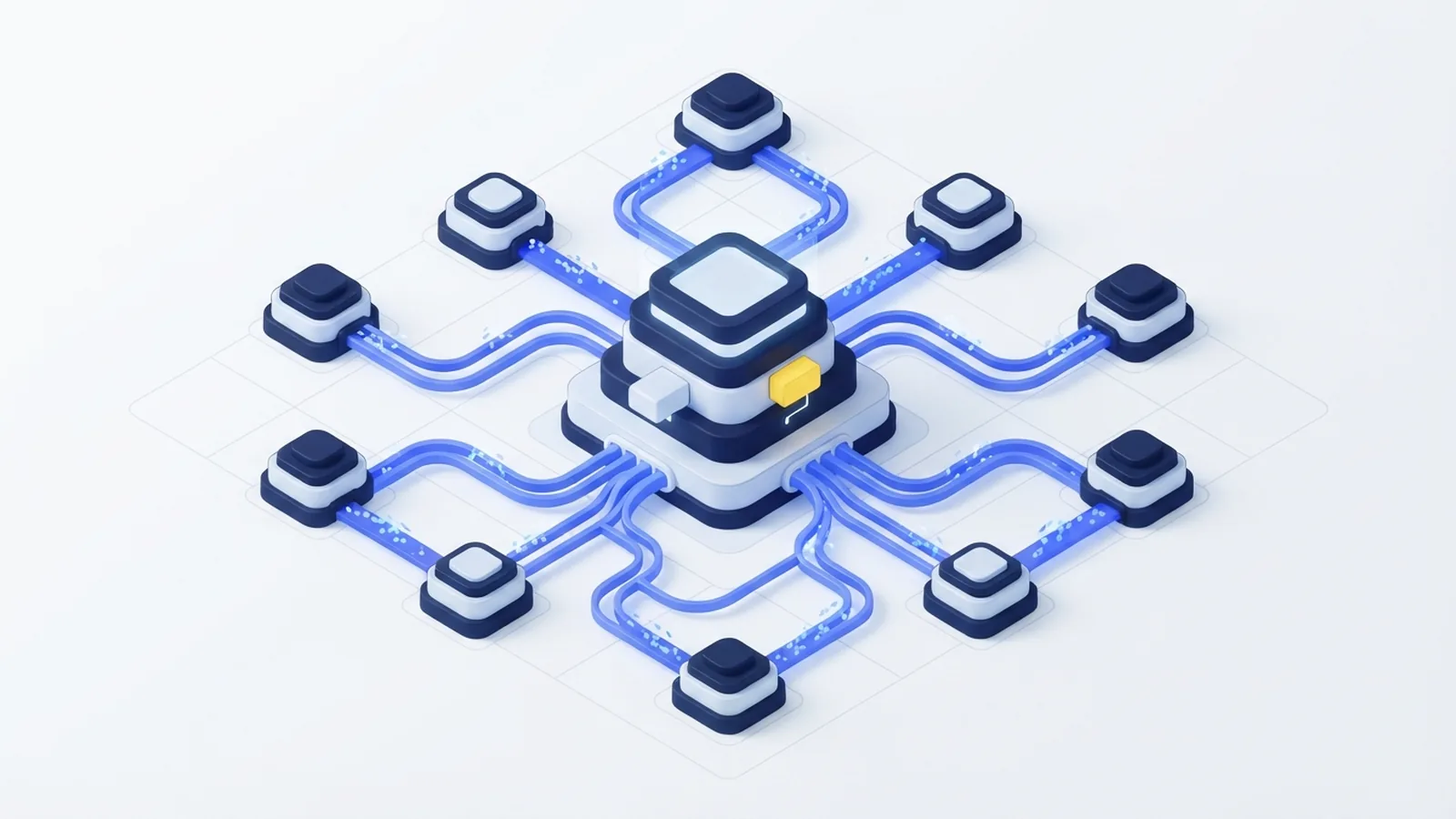
Open banking lets a business share account data securely with approved third-party services. It can also let those services start payments, when the business gives permission. For a business account, this means linking bank data with tools for cash flow, bookkeeping, lending, or payments.
The bank does not hand over a password. Instead, the business grants access through a secure sign-in and consent flow. The business can usually set what data is shared and for how long. It can also withdraw access later.
Rules vary by country. In the UK, for example, open banking grew from rules that gave customers more control over bank data. Businesses should check which local rules apply and whether each provider is approved to offer its service.
Why businesses use open banking
A key benefit is a fuller view of cash. A company can bring several bank accounts into one service, then review balances and recent activity together. This can cut manual checks and help staff spot a shortfall before bills fall due.
Linked data can also make routine work faster. Bookkeeping tools may match bank payments to invoices, while payment services can move funds without a card. Lenders may use shared account data to assess cash flow, which can help firms that lack long credit histories.
Benefits depend on the service and the quality of its data. A useful tool should save time or improve a decision, not add another task. Start with one clear goal, such as reducing bank reconciliation time or seeing cash across all accounts.
- View balances from multiple accounts in one place
- Reduce manual data entry and payment matching
- Share recent cash flow data with a lender, with consent
- Connect services that support faster payment or invoicing

Common open banking business models
Open banking business models differ by what the provider does with account access. Some services only read data. Others help a business make a payment. Some combine these features with bookkeeping, lending, or cash planning.
A data aggregator gathers information from accounts the business has linked. The firm may use that view to track cash, sort spending, or build reports. A payment initiation service can ask the bank to make a payment after an authorised user approves it. A financial app may use both models in one workflow.
| Model | What it does | Business use |
|---|---|---|
| Account data access | Reads approved account data | Cash views and bookkeeping |
| Payment initiation | Starts an approved bank payment | Paying invoices or collecting funds |
| Embedded finance | Adds bank-linked services to another tool | Finance features inside business software |
Some providers also use bank data to support credit checks or cash forecasts. These services do not guarantee a loan or a precise forecast. The business should check what data the provider uses, who receives it, and how the provider earns money.
How to choose an open banking business account
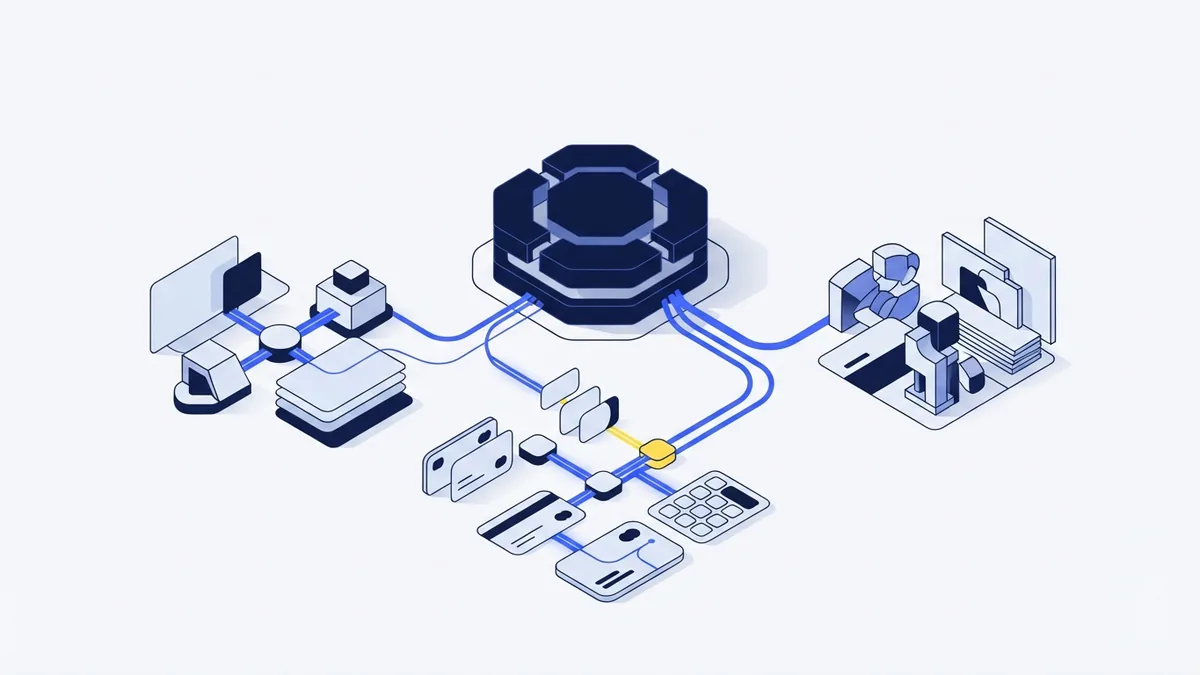
Most open banking features come from services that connect to a business account. So compare both the bank account and the outside tools you plan to use. First, list the tasks that matter: account viewing, invoice matching, payments, or credit access.
Next, check that your bank supports the connections you need. Ask how often data refreshes, whether payment approval works on mobile, and what happens if a link fails. A demo or trial can show whether the service fits your daily work.
- Coverage: Confirm support for your bank, account type, and country.
- Permission: Check what data the app reads and how you can stop access.
- Security: Review provider approval, sign-in steps, and incident support.
- Cost: Compare subscription fees, payment charges, and add-on costs.
- Fit: Test whether the tool works with your books and payment process.
Do not choose on feature count alone. A small firm may gain more from clean bookkeeping links than from a complex finance suite. Set a short trial goal, such as matching most bank payments without manual work, then review the result.
What business banking APIs do
A business banking API is a set of rules that lets software exchange data with a bank or financial service. It acts as a controlled link between systems. The bank can provide account data, while an approved app can request a payment with the user's consent.
Common API features include account lists, balances, transaction records, and payment requests. Some also return payment status or basic account details. These links help firms connect bank accounts with accounting tools, payroll systems, or cash planning apps.
For a business owner, the API itself is usually behind the scenes. What matters is whether the linked service works well, handles consent clearly, and has support when a connection breaks. Ask the provider how it stores data and how it deals with access ending or an account link needing renewal.
Challenges for small businesses
Open banking can save time, but setup takes effort. A business may need to reconnect an account after a consent period ends or fix a link after bank security changes. Services can also differ in the data they show, so one app may not give a complete picture.
Trust is another concern. Before sharing data, check the provider's legal name, approval status, privacy terms, and support route. Give access only for a clear business need, and remove old links when a service is no longer in use.
Small firms should also plan for staff access. Decide who can approve payments and who can view sensitive account details. Keep a separate approval step for large or unusual payments, even when a tool makes routine payments easier.
Where open banking for business is heading
More business tools are likely to use bank data as part of everyday tasks. This may include faster invoice checks, clearer cash forecasts, and smoother links between payments and accounting. Better links could help small firms spend less time moving data by hand.
New services will still depend on good consent, reliable links, and clear rules. Wider data-sharing systems may also extend beyond bank accounts, though the safeguards and coverage can vary. Businesses should treat new features as tools to test, not as a reason to share more data than needed.
The best approach is steady adoption. Pick a task, test a trusted service, and measure the time or cost it saves. Keep control of permissions as your needs change.
Frequently asked questions
- What is open banking for business?
- It lets a business share account data with approved services through secure connections. With permission, some services can also start bank payments.
- What are the benefits of open banking business accounts?
- They can bring account views together, cut manual bookkeeping, and support faster payment workflows. Some services also use shared cash flow data to assess lending requests.
- What are the main open banking business models?
- Common models include account data access, payment initiation, and finance features built into other software. A provider may combine more than one model.
- Is open banking safe for a small business?
- It can be safe when the provider is approved and the business understands its consent terms. Check the provider, limit access to a clear need, and remove links you no longer use.
- What does a business banking API do?
- It lets software exchange approved account data or payment requests with a bank. It powers links between business accounts and tools such as bookkeeping or cash planning apps.
Related reading
What Is the Payment Services Directive 2?
PSD2 opened EU banking to new payment firms and added stronger security checks.
What Is an API in Banking?
See how banking APIs link apps and banks, share data, and support secure services.
What Is an Open API in Banking?
See how banking APIs connect banks, fintech firms, and customers.