
What Is an Open Banking Payment, and How Does It Work?
See how direct bank payments work, where they help, and what risks to weigh.

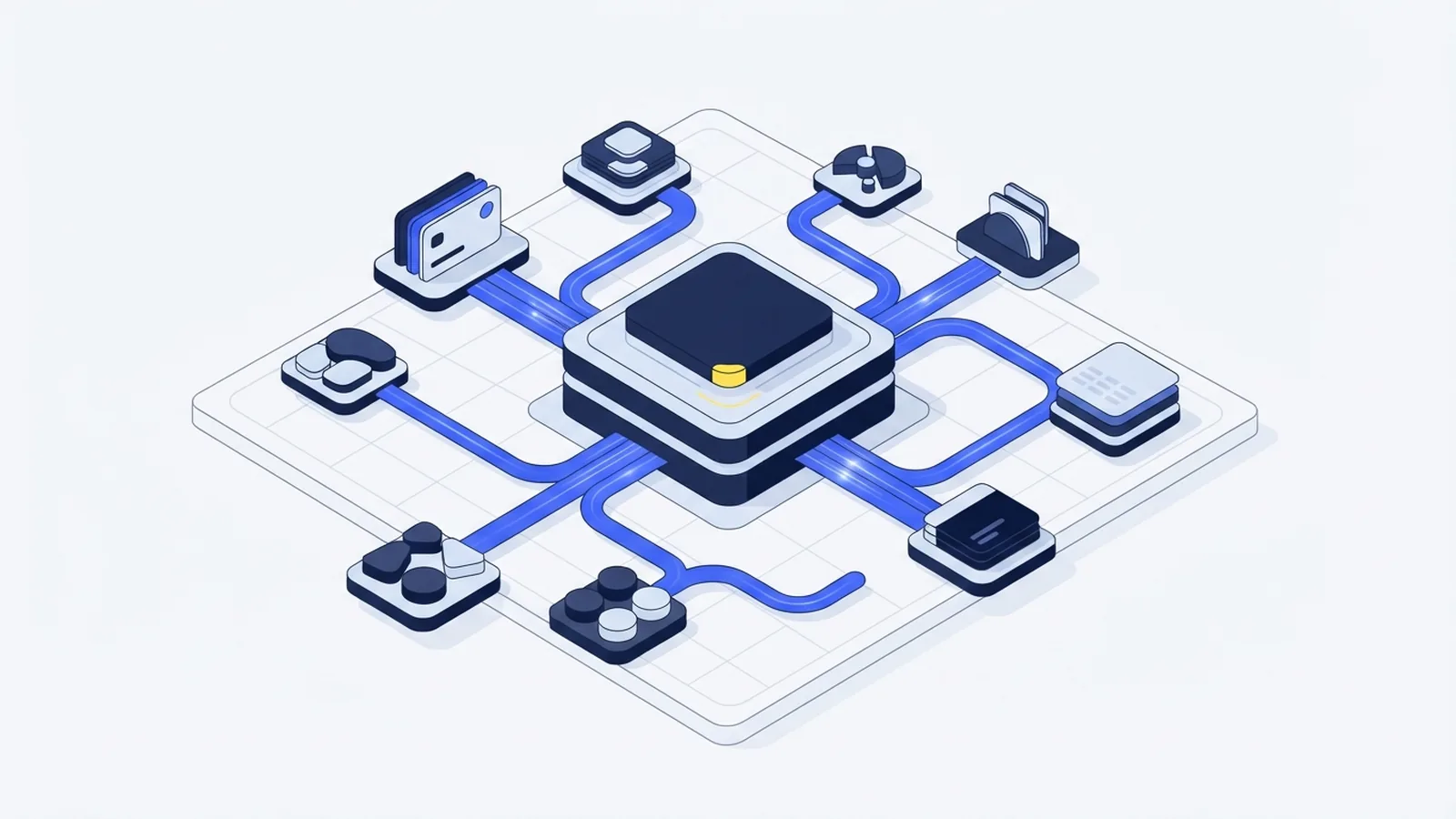
What Is an Open Banking Payment?
An open banking payment lets a customer pay a business from their bank account through a regulated third-party service. The customer approves the payment, and secure bank connections carry the request. Funds move between accounts without the usual card network route.
Open banking gives approved providers secure access to financial data through APIs, or software links. With the customer’s consent, a provider may also start a payment. These are separate permissions: sharing account details does not automatically approve a payment.
The open banking payment meaning depends on the service. Some tools show account balances or spending patterns. Others let a shopper choose a bank, sign in with that bank, and approve a one-time transfer. That direct route can reduce reliance on card rails, though a payment provider may still connect the merchant and bank.
This payment method differs from a card payment because the customer approves the bank transfer directly. It also differs from a standing order, which repeats on set dates. A business might use it for an online purchase, bill, or account top-up.

How Open Banking Payments Work
The open banking payment flow starts at checkout or inside a payment app. The customer picks their bank and confirms the amount and recipient. They then approve the request through their bank’s sign-in process.
The bank checks the customer’s identity, account status, and funds. If approved, it sends the payment through the relevant bank transfer system. The merchant receives a status update from its payment provider, then fulfills the order when the payment is confirmed.
- Choose the bank: The customer selects their bank from the payment options.
- Approve the request: The bank shows the amount and payee for review.
- Send funds: The bank processes the transfer under its own rules.
- Confirm the result: The provider tells the business whether payment succeeded.
The exact steps vary by country, bank, and provider. Some payments settle in seconds; others take longer or need extra checks. A useful checkout tells customers when payment is pending and what to do if approval fails.
People searching “what is SEPA payment” are asking about a different, though related, term. SEPA is the Single Euro Payments Area, which sets common rules for euro transfers across participating countries. An open banking service may start a SEPA transfer, but SEPA itself is not an open banking method.
Benefits for Businesses and Consumers
For businesses, direct bank payments can lower the cost of some transactions. Card fees often include several parties and services. An open banking provider may charge a simpler fee, but prices vary by market, payment size, and contract.
Settlement can also be faster than some card or bank routes. Quick confirmation helps a seller release goods sooner or match incoming funds with an order. Faster access to funds can matter for firms with tight cash flow.
Consumers may gain more control over how they share account data. They can approve access for a clear purpose and use services that group accounts or track spending. These tools can make it easier to see finances across several banks.
- Lower costs: Direct bank routes may cut fees for certain business models.
- Quicker confirmation: Some systems report payment status in near real time.
- More choice: Customers can pay without entering card details.
- Useful account tools: Consented data can support budgeting and account views.
Industry forecasts have put global open banking payment value above $330 billion by 2027. Treat that figure as a projection, not a settled result. Estimates can differ based on which countries and payment types they count.

Challenges, Risks, and Payment Limits
Data privacy is a key concern. A provider may see sensitive account details, so customers need to know what data it collects and why. Consent should be clear, limited to a stated purpose, and easy to withdraw.
Integration can take time for businesses. Banks may use different sign-in steps, payment rules, and status messages. A merchant must also connect the provider to checkout, order records, refunds, and customer support.
Provider quality varies. Some providers offer broad bank coverage and clear support, while others may have gaps or slow issue handling. Check service uptime, security controls, dispute paths, and how the provider handles failed or duplicate requests.
Open banking payment limits can apply at several levels. A bank may cap transfers, a provider may set its own rules, and a business may limit order value. Limits can also depend on account type, country, or fraud checks. Confirm the rules before relying on large or recurring payments.
Unlike card payments, a bank transfer may not offer the same familiar chargeback path. Refunds can require the seller to send a new payment. Businesses should explain this distinction before checkout and provide a clear route for payment disputes.
Choosing Open Banking Payment Solutions
Open banking payment solutions include checkout tools, payment links, account-to-account transfers, and recurring payment services. Some focus on accepting payments. Others combine payments with account data features, such as balance checks or account matching.
Compare providers against the way your business takes money. A retailer with many small orders may value quick checkout and broad bank coverage. A subscription firm may need reliable recurring approval and clear handling when a payment fails.
- Check which banks and countries the provider supports.
- Ask how quickly it confirms payments and reports outages.
- Review fees, refund steps, and failed-payment handling.
- Test how the service fits your checkout and accounting tools.
- Read its privacy terms and security details before launch.
Do not judge an open banking payment API by its feature list alone. Test the full customer path, including bank sign-in, decline messages, and return to checkout. A clean fallback matters when a bank is unavailable or a customer changes their mind.
For consumers, look for the provider name, requested permissions, and payment amount before approval. Use the bank’s own sign-in page or app, and review any consent screen. If the payee or amount looks wrong, stop and contact the business through a trusted channel.
What Comes Next for Open Banking Payments?
Open banking is part of a wider shift toward linked financial services. Better data-sharing rules and payment links may help services work across more banks. Broader coverage could make direct bank payment a more common choice at checkout.
Growth will depend on trust as much as technology. Customers need clear consent, dependable support, and fair ways to resolve errors. Businesses need stable links, useful payment updates, and costs that make sense beside cards and bank transfers.
For now, open banking payments suit cases where direct transfer, lower fees, or account-based checks add value. They are not a fit for every purchase or customer. Compare the full cost, speed, refund path, and bank coverage before making them a main payment option.
Frequently asked questions
- What is an open banking payment?
- It is a bank payment started through an approved provider after the customer gives consent. The customer reviews and approves the payment through their bank.
- How does an open banking payment work?
- The customer chooses a bank and approves a payment request. The bank processes the transfer, and the provider shares the status with the business.
- Are open banking payments faster than card payments?
- Some open banking payments confirm within seconds, but timing depends on the bank and payment route. Check the provider’s settlement terms for your market.
- What are the main risks of open banking payments?
- Key risks include data privacy, weak provider support, integration problems, and unclear refund paths. Review consent terms and failed-payment steps before use.
- Is a SEPA payment the same as an open banking payment?
- No. SEPA sets rules for euro transfers across participating countries. An open banking provider may start a SEPA transfer, but the terms describe different things.
- Can open banking payments have limits?
- Yes. Banks and providers may set transfer or account limits. The allowed amount can also vary by country, account type, and security checks.
Related reading
What Is the Payment Services Directive 2?
PSD2 opened EU banking to new payment firms and added stronger security checks.
What Is an API in Banking?
See how banking APIs link apps and banks, share data, and support secure services.
What Is an Open API in Banking?
See how banking APIs connect banks, fintech firms, and customers.